Sighnaghi, Lagodekhi, Tbilisi
From October 10-12, we were in Georgia—for the second time this year. Together with the children, we set out to discover both the historical and cultural side of Georgia, as well as one of its beautiful natural corners.
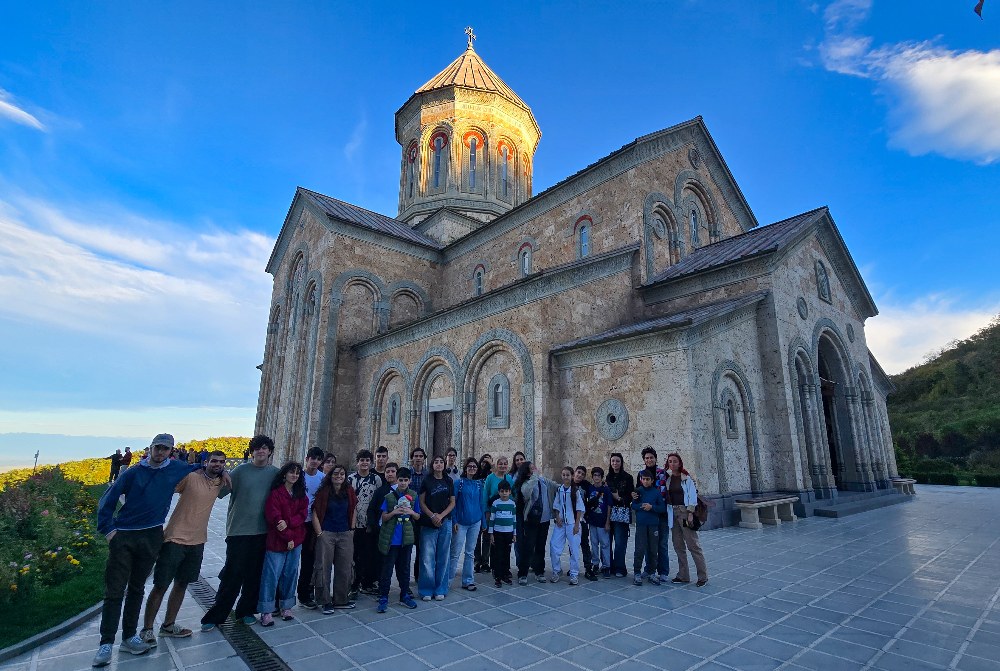
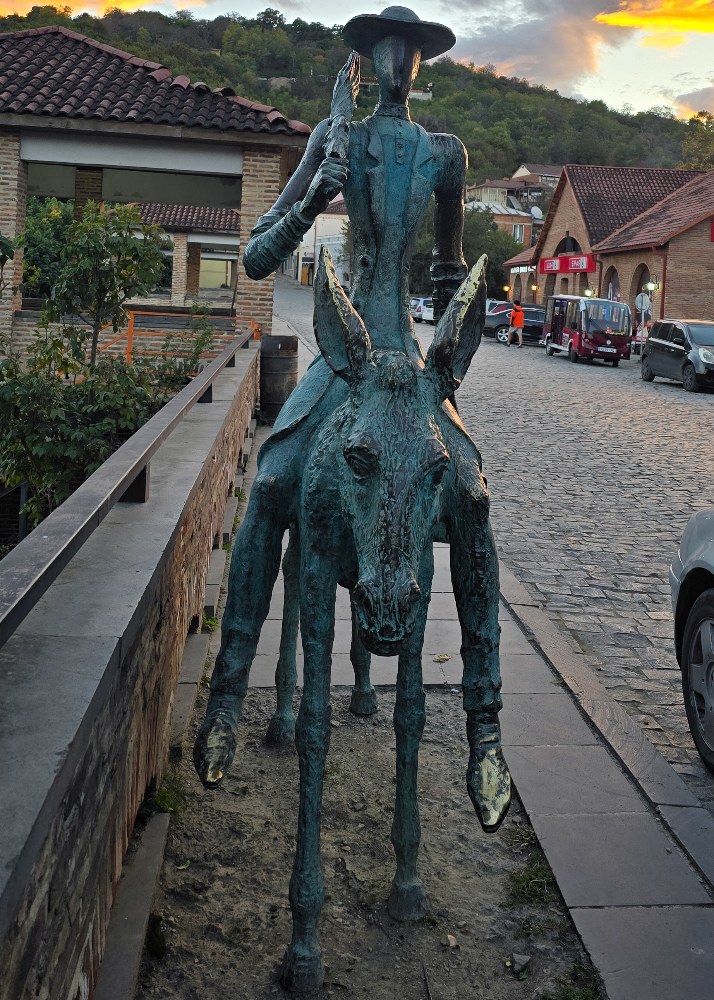
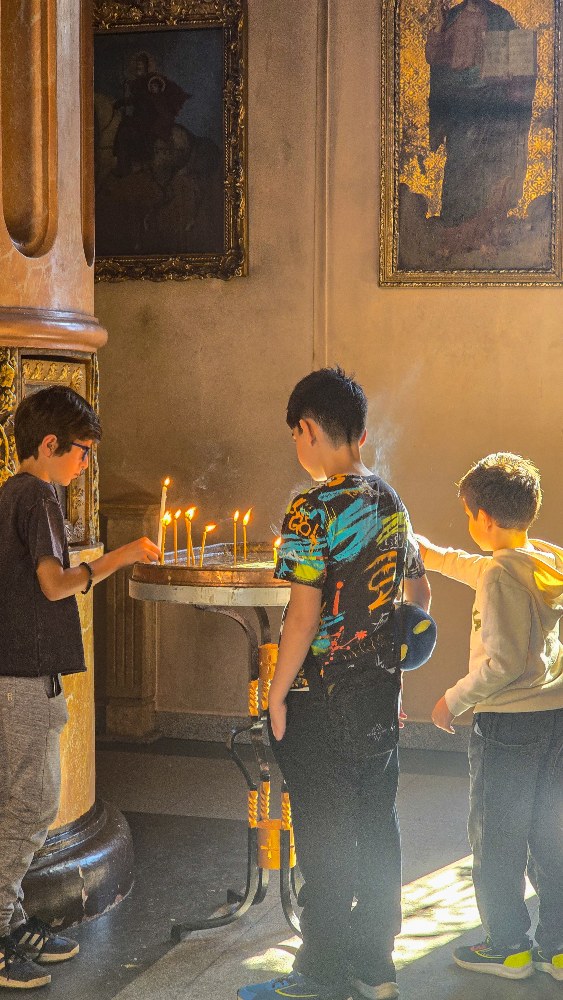
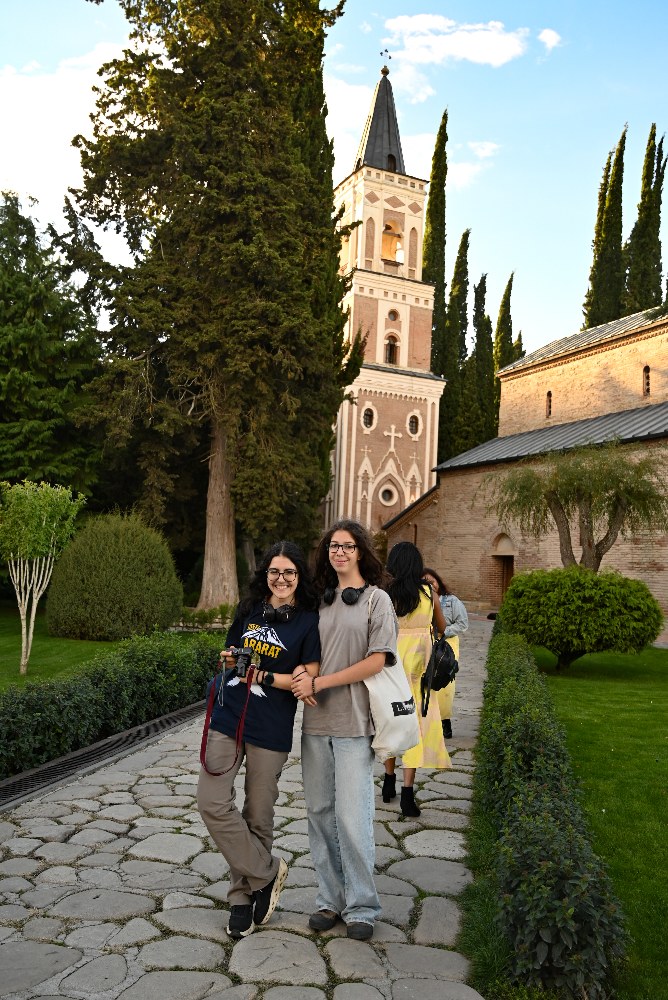
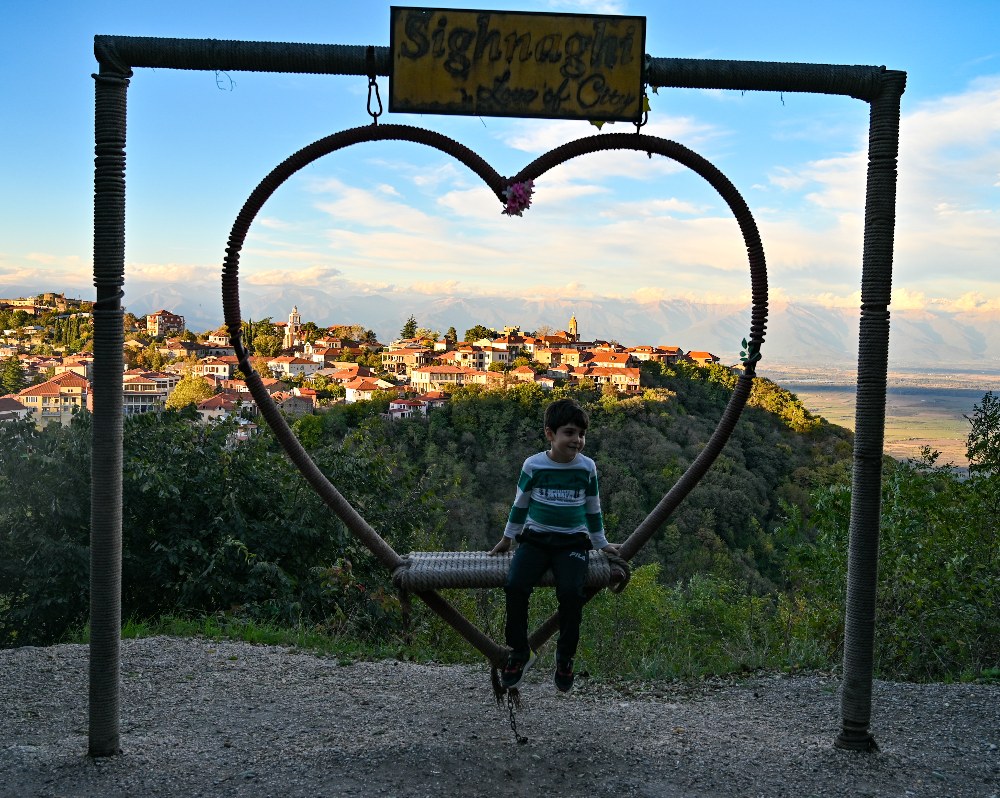
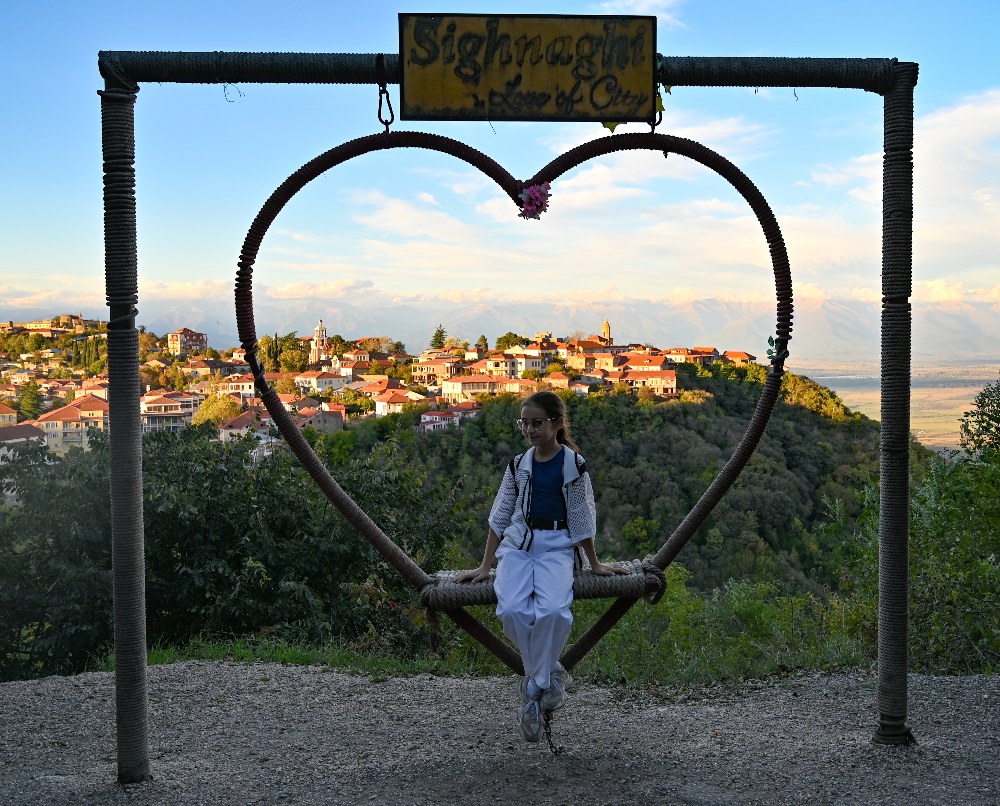
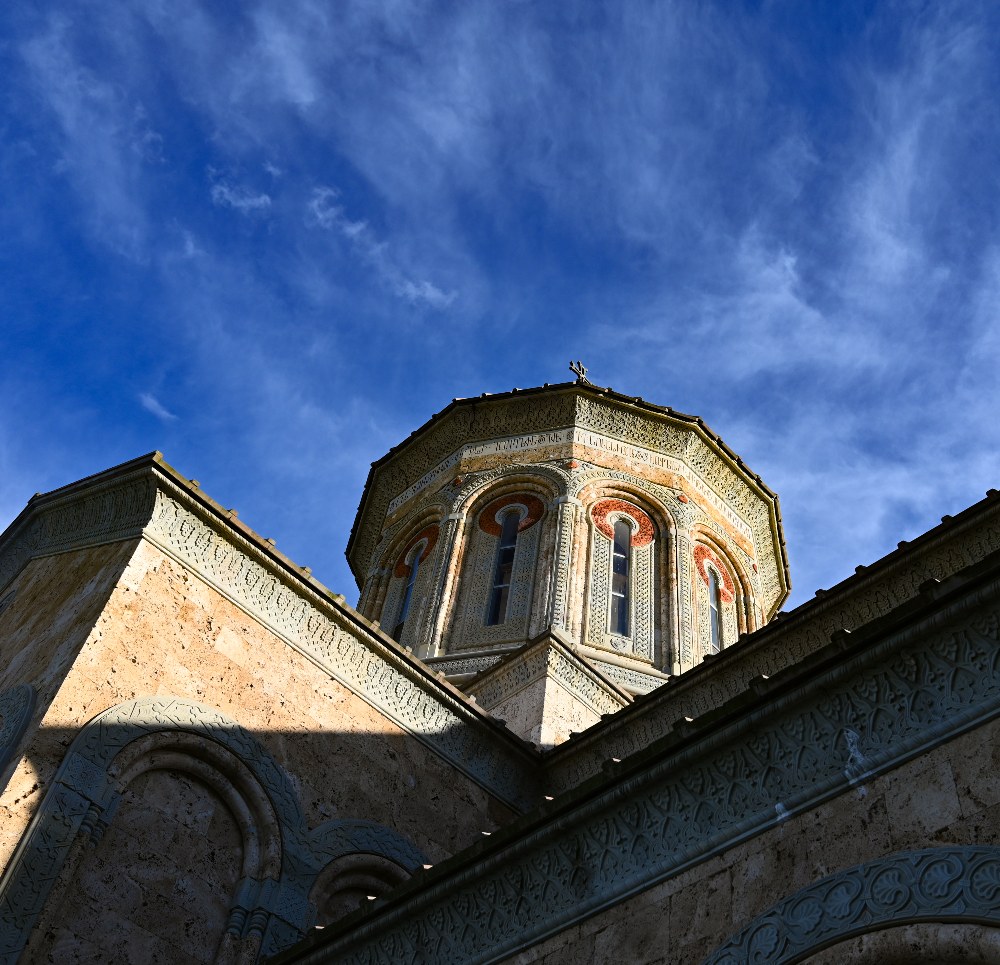
After successfully crossing the Armenian-Georgian border at noon, we headed toward the Kakheti region to the town of Sighnaghi. After the long journey, our first stop was the Bodbe Monastery complex, located 2 km from Sighnaghi, where we also saw the tomb of St. Nino (Nune). We marveled at the uniqueness of the monastery complex and the stunning Alazani Valley. We then continued our way to Sighnaghi, the “City of Love.” We wandered through narrow, cobbled streets that passed by houses with iconic wooden balconies. Late in the evening, we reached Lagodekhi, where a delicious dinner awaited us.
It was time to rest, recharge, and prepare for the next day’s hike.
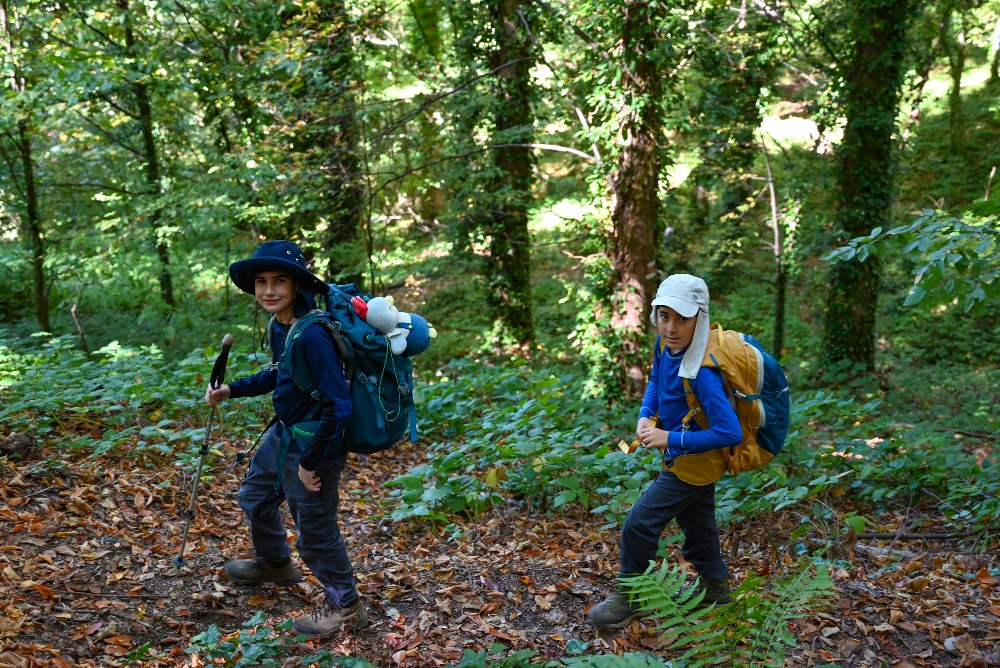
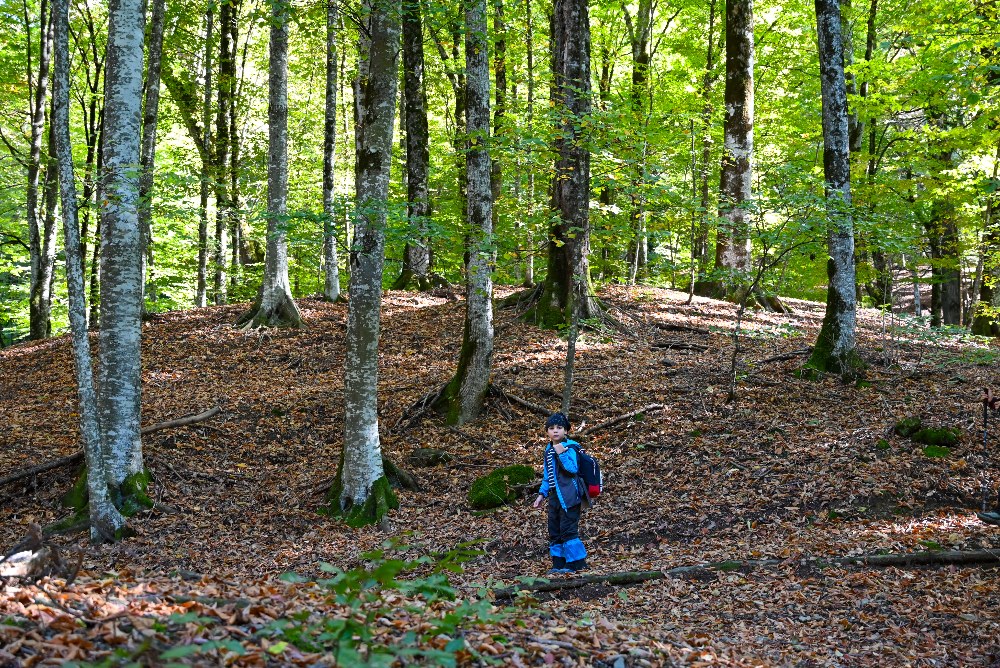
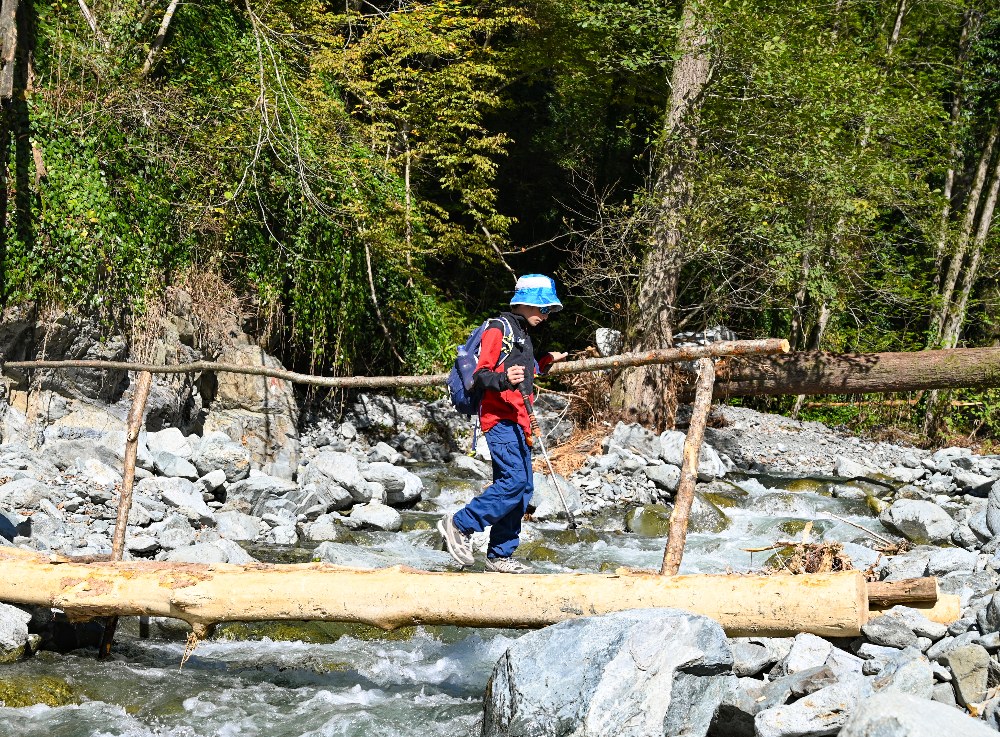
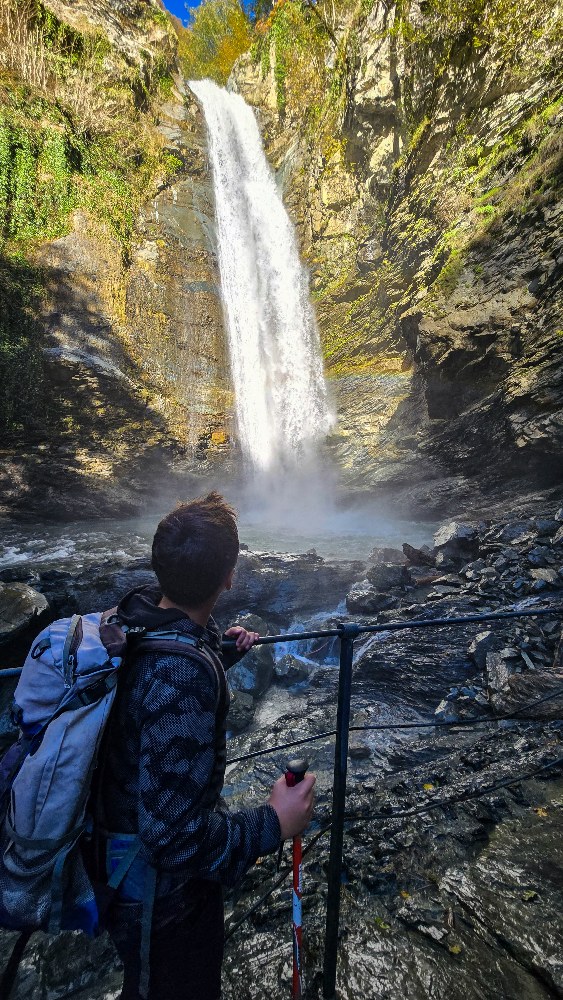
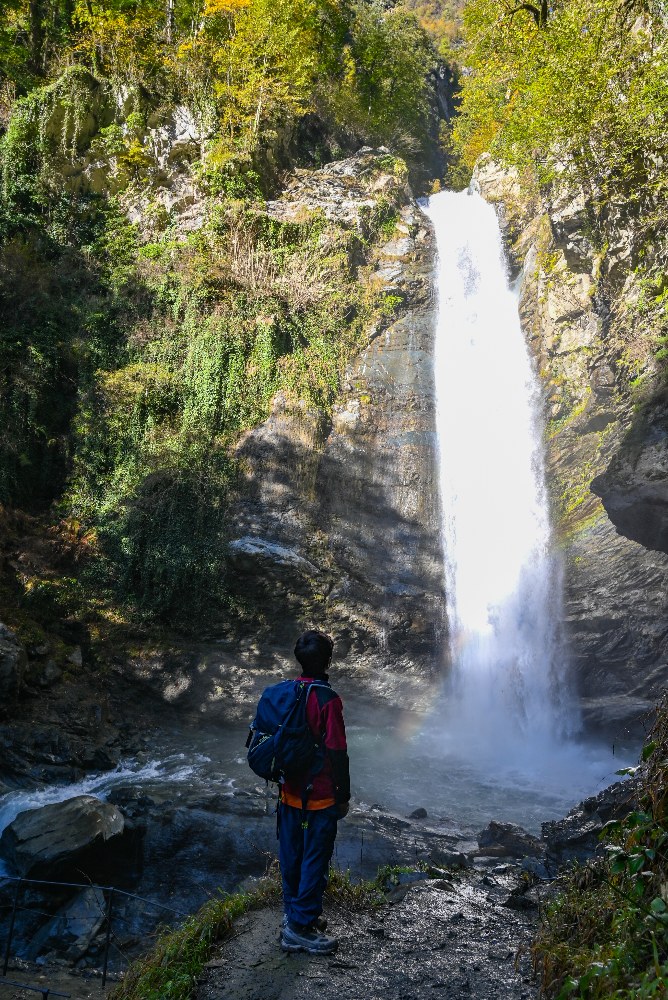
In the morning, after breakfast, we headed to Lagodekhi National Park with the goal of reaching the Ninotskhevi Waterfall. This trail is beautiful and well-maintained. Even in autumn, it feels like summer because the trees, stones, and rocks are largely covered with Hedera helix (English ivy), which is evergreen, so the green is constantly present amidst the autumn colors. At one point on the trail, it is necessary to cross a river, which was much easier this year as a new bridge had been built.
Lagodekhi National Park is one of Georgia’s oldest and best-preserved natural areas—a place where nature has kept its true, undisturbed charm. The dark green of the Lagodekhi forests resembles a fairy-tale world; the trees, soil, stones, and rocks are covered in ivy, whose shiny leaves look like a green blanket.
The park’s greatest gem, the Ninotskhevi Waterfall, is located deep within the dense forests. Getting there is not easy—the trail passes along steep mountain slopes and over small wooden bridges. In some places, the path narrows significantly, making it difficult to give way to those coming from the opposite direction. But when you finally approach the waterfall after a 7.5 km walk, a massive stone wall suddenly opens up with foaming water cascading down, surrounded by cliffs, a steep forest, and mossy stones. Some of the river’s pools had captured the colors of nature, taking on a beautiful greenish hue.
We began our return from the Ninotskhevi Waterfall and reached the vehicle at dusk. In total, we walked 15 km and tackled a 700m elevation gain.
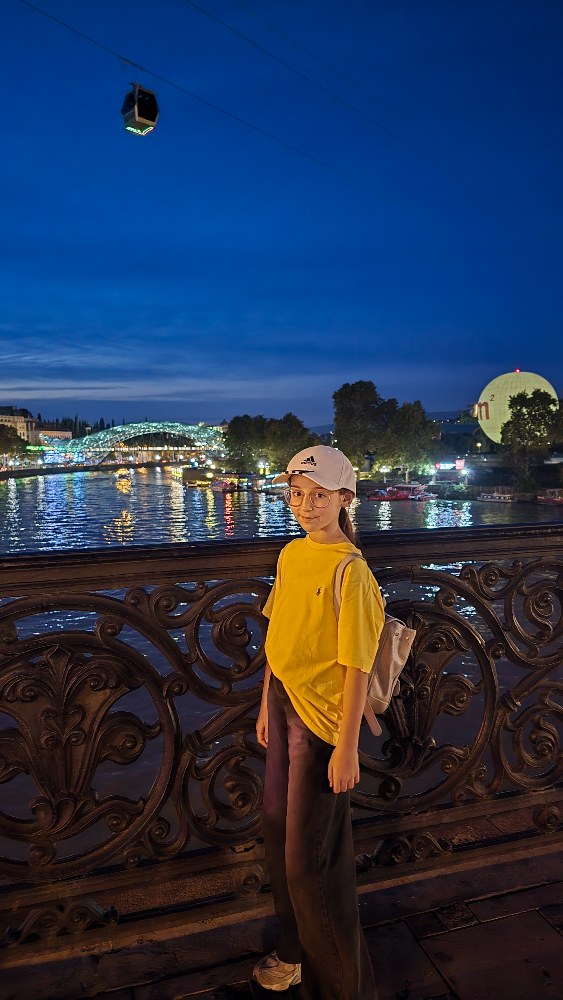
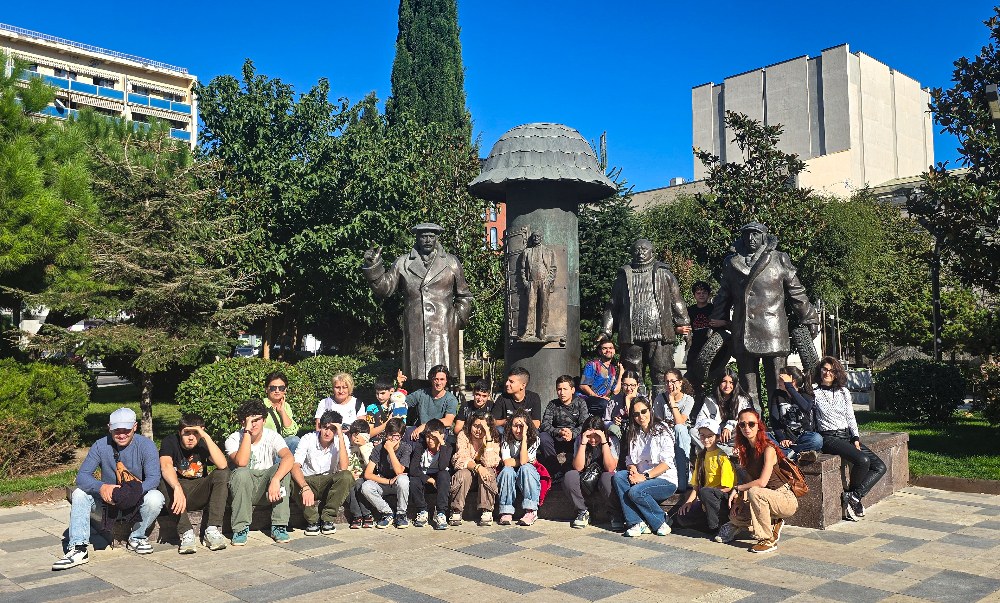
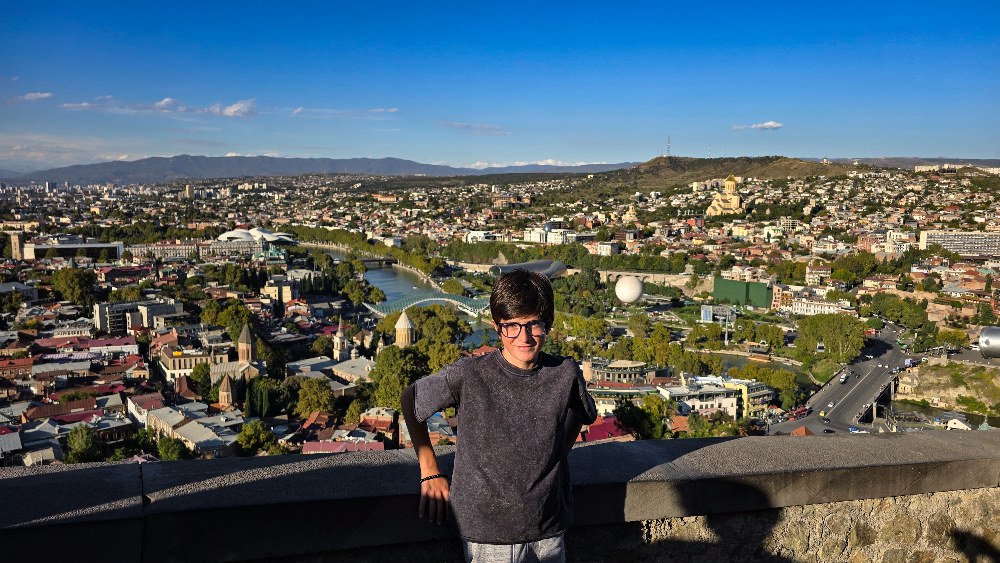
We dedicated the final third day to touring Tbilisi: Havlabar, Narikala Fortress, the cable car, the Petros Adamyan State Armenian Drama Theatre, Ejmiatsin Church, Saint George Church, and the tomb of Sayat-Nova… After the city tour, we headed back to Armenia.
These three days were memorable for the children—full of discoveries, hikes, new knowledge, and unforgettable impressions. They experienced both the history and the nature of Georgia.