

Historical Stops on the Road to Ararat
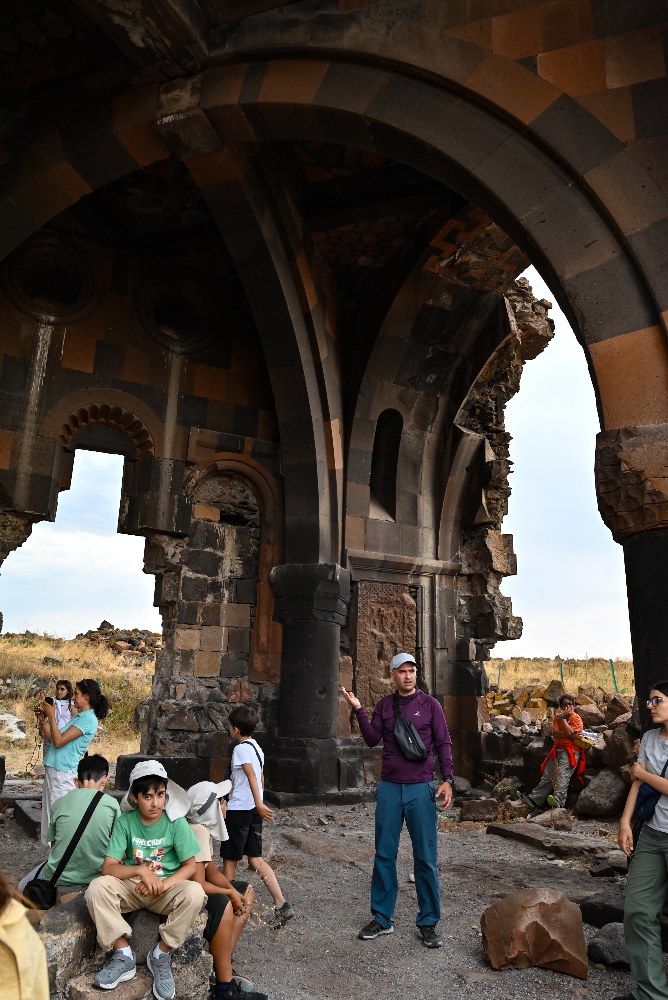
The “Children on the Summit of Ararat” expedition was not only about climbing Mount Ararat — it was also about discovering the historical and cultural heritage and natural beauty of historical Armenia. In uncovering this heritage, our guide Norayr exceeded all expectations: he described in great detail not only the historical past, but also the culture and art of those times. With Norayr’s words, the stones came alive and told the story of Armenia’s former glory.
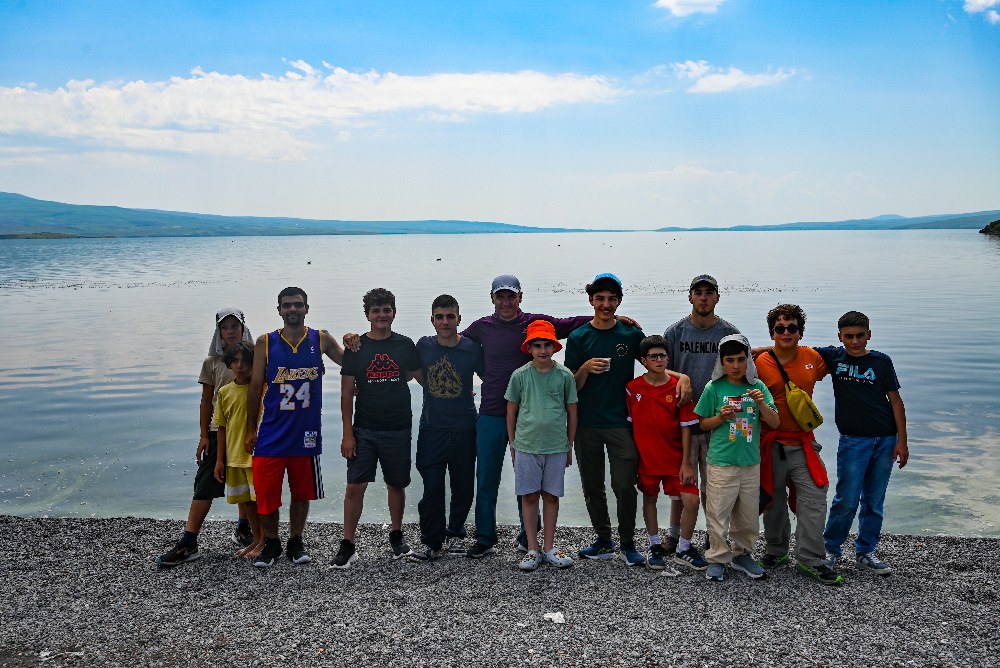
30.07.2025. After crossing the border, our first stop was Lake Tsovak Hyusiso (Lake Çıldır).
Lake Tsovak Hyusiso lies in the northeast of the Armenian Highlands, in Turkey’s Ardahan Province, and was formed when a lava flow blocked a valley. Its surface area is 85 km², it lies 1,959 m above sea level and is 42 m deep. It sits in a tectonic depression that was once a deep valley, closed off by a lava dam. It is about 20 km long from north to south and 16 km wide in the north. The water is fresh, and the Çıldır (Metsajur) River flows out of the lake. In winter it freezes over. It is fed by mixed sources, and trout live in the lake and the river.
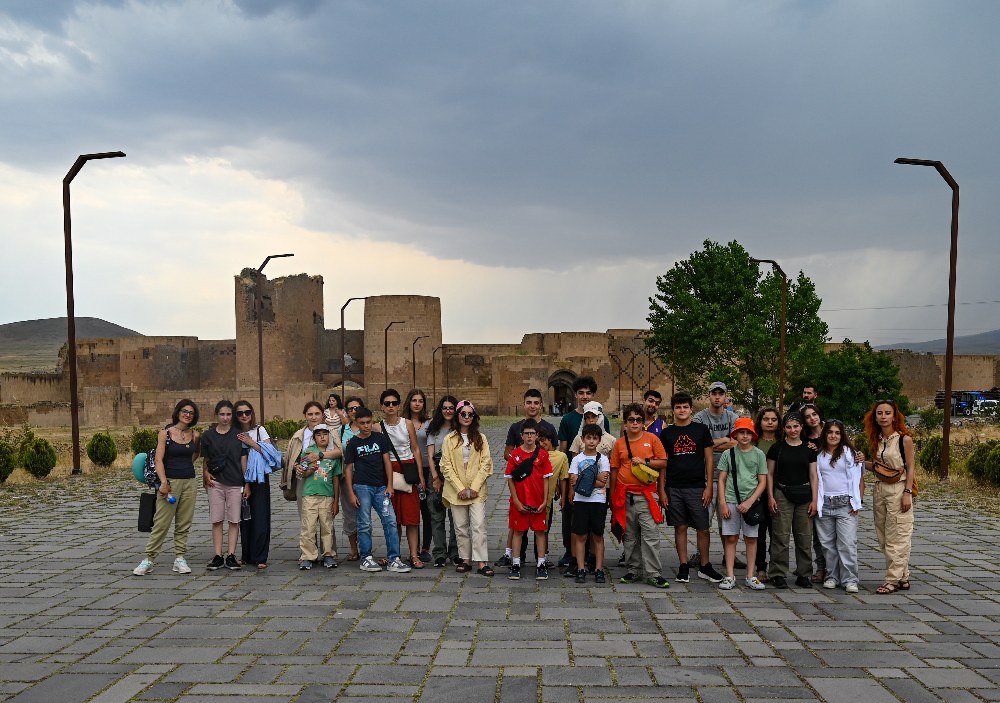
Our second stop was Ani, the “city of 1,001 churches”. From the very first glance Ani made a powerful impression, with its old and new walls and, inside them, historical monuments gathered along the gorge of the Akhurian River: the Cathedral of Ani, the Church of St. Gregory (Gagkashen), the Church of St. Gregory of Tigran Honents, the Church of St. Gregory of Abughamrents, the Church of the Holy Savior, the Church of the Holy Apostles, the citadel of Ani and more.
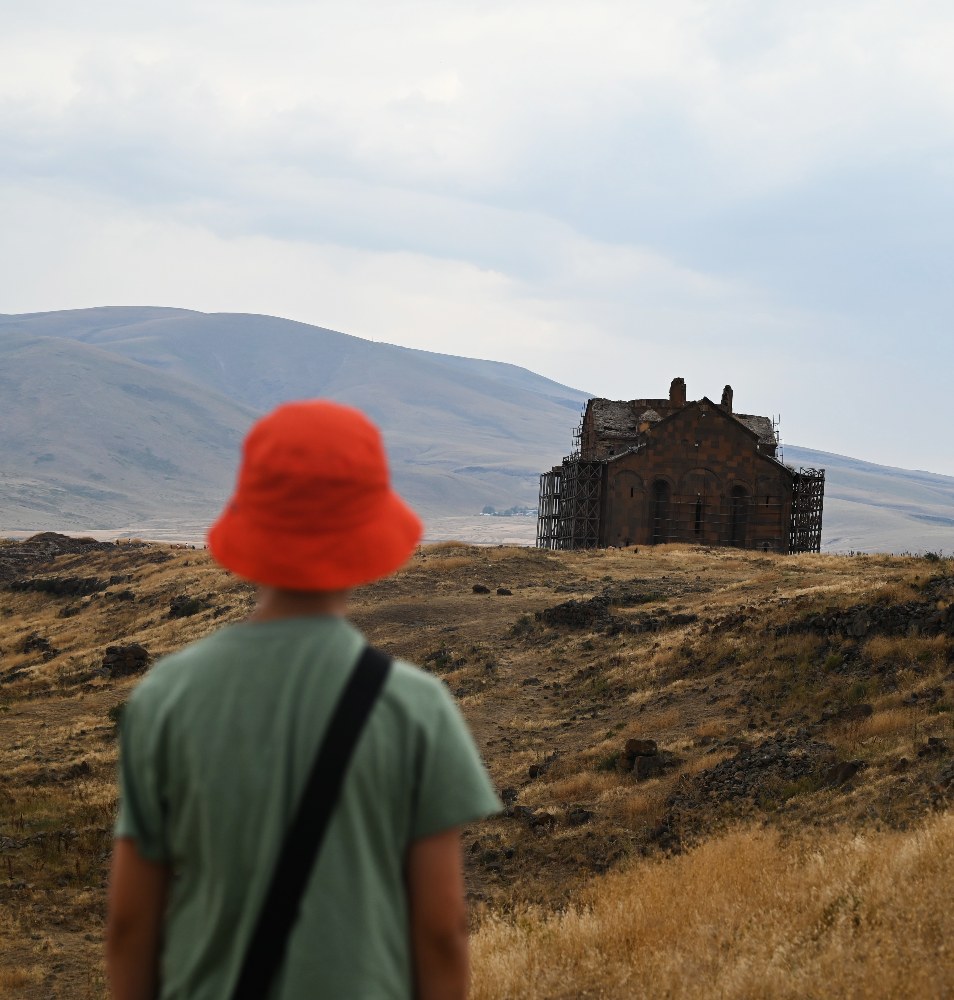
Cathedral of Ani (989–1001)
The Cathedral of Ani, still standing today despite its collapsed dome, is considered one of the masterpieces of medieval Armenian architecture. It was built in 989–1001, commissioned by the Bagratid King Smbat II and designed by the architect Trdat. Trdat is also known for building the Cathedral of Argina, Gagkashen and the Smbatashen walls, as well as for restoring the dome of Hagia Sophia in Constantinople. After King Smbat’s death, construction was completed by Queen Katranide, wife of Gagik I Bagratuni and a princess of Syunik (she is buried in the cemetery next to the cathedral).
The cathedral is a domed basilica: four massive clustered piers and the pointed arches connecting them support the roof and the dome. The central nave is considerably wider than the side aisles. The clustered piers and pointed arches create a strong vertical emphasis, which was later widely used in European Gothic architecture of the 12th–14th centuries. This upward movement is also expressed in the decoration of the outer walls — blind arcades on slender columns, niches, and the height of the drum and cone of the dome.
The dome collapsed in a devastating earthquake in 1319, and part of a wall fell in the 1988 earthquake. During our visit, active restoration work was under way in the cathedral.
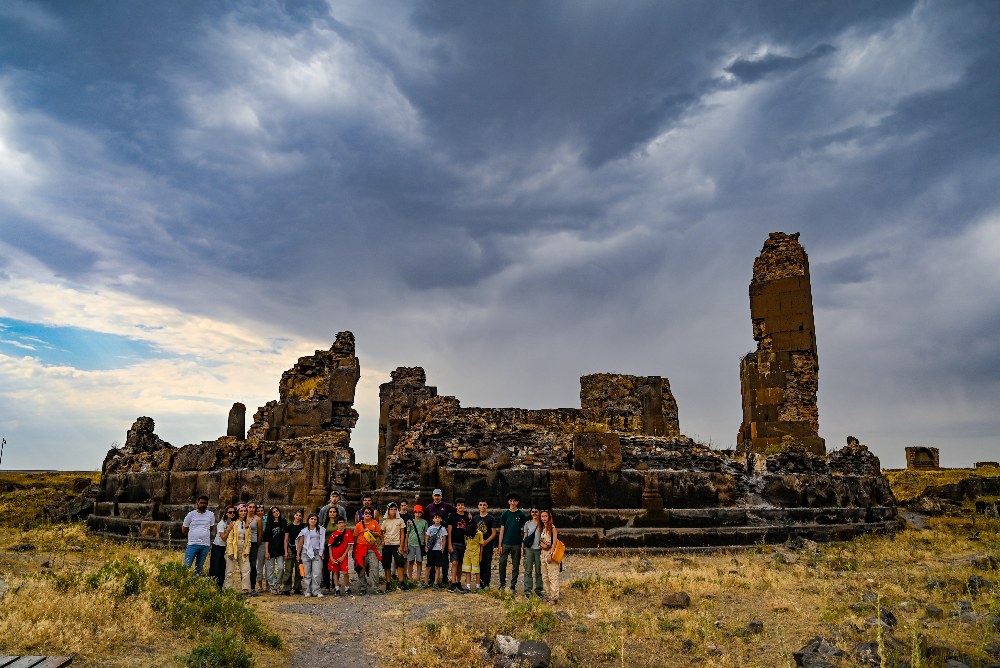
Church of St. Gregory, or Gagkashen (1001–1020)
Gagkashen was built in 1001–1020 by the architect Trdat, commissioned by Gagik I Bagratuni. The king’s aim was to recreate in Ani the Zvartnots Cathedral, which had already been destroyed by an earthquake. Trdat repeated Zvartnots’ basic structure but introduced some innovations. Already during construction, structural weaknesses required reinforcement work, which, however, could not prevent the church from collapsing.
During excavations in the early 20th century, a stone statue of Gagik I holding a model of the church was discovered. Sadly, the statue was destroyed in the 1920s; only a fragment survives and is displayed in the Karin (Erzurum) museum without any explanatory label.
Church of St. Gregory of Tigran Honents, Ani (1215)
The Church of St. Gregory of Tigran Honents was built in 1215 with funds from Tigran Honents, a wealthy merchant of Ani. It is a domed hall with a pair of side chapels next to the main apse. The outer walls are decorated with triangular niches and blind arcades, and the drum and walls are rich in reliefs.
Especially valuable are the frescoes of the narthex and the church, depicting religious and historical scenes. The church was restored in 2008–2009 under Turkish specialists as part of a “one church – one mosque” program. The dome was left unfinished with a sloping roof, which, according to some opinions, was done to avoid placing a cross. Under the same program, the Manuchehr Mosque was also restored and is a functioning mosque today.
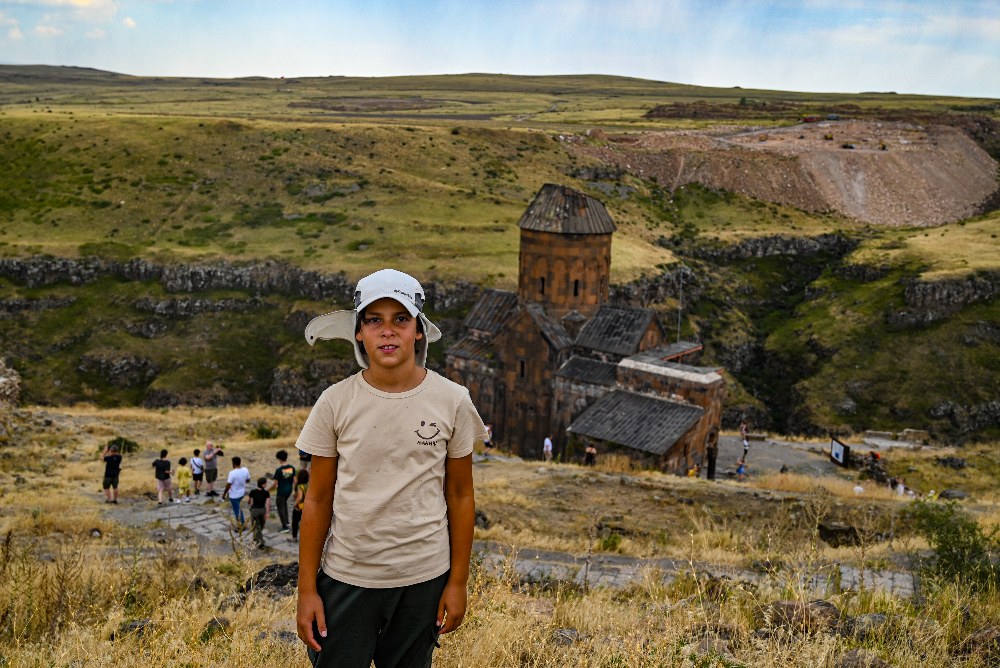
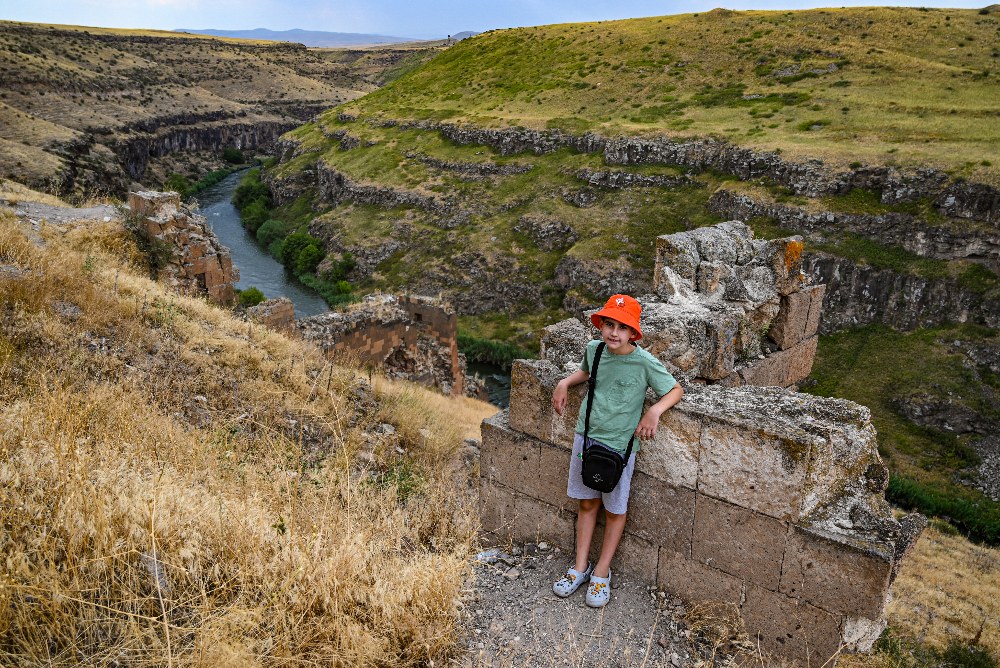
Church of St. Gregory of Abughamrents, Ani (10th century)
This small but elegant church was built in the 10th century by a branch of the Pahlavuni family as a family sanctuary. It belongs to the multi-apsed type (6 apses), of which the eastern one is noticeably larger and has side chapels on both sides. The building is decorated with graceful niches and carved ornaments. Despite its modest size, it is exceptional for its architectural perfection. It also shows that in Ani, fine churches were built not only by kings but also by nobles and merchants.
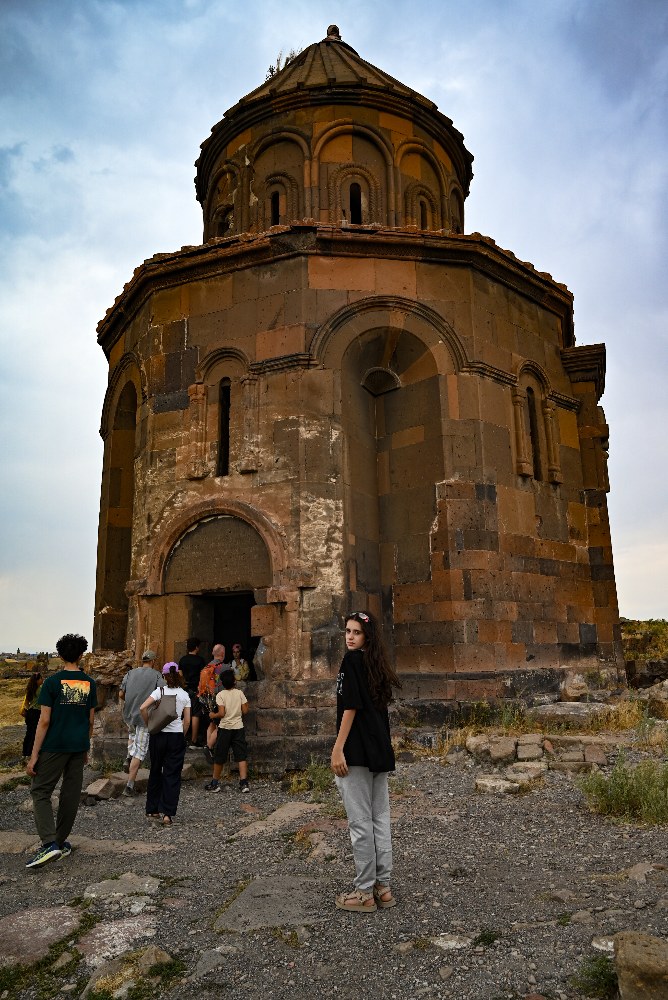
Church of the Holy Savior, Ani (1035)
The Church of the Holy Savior was built in 1035, commissioned by Abulgharib Pahlavuni. It is a multi-apsed structure: 19-sided on the outside and with 8 semicircular apses inside. The main apse is large and has a pair of side chapels. The apses are separated by columns joined by arches. The interior walls were once decorated with colorful frescoes.
At the end of the 19th century, reinforcement work was carried out during Nicholas Marr’s excavations. However, after locals removed the dressed facing stones, the church was left exposed to rain and wind, and in 1958 half of it collapsed. In the 2000s, new reinforcement work was carried out to prevent further collapse.
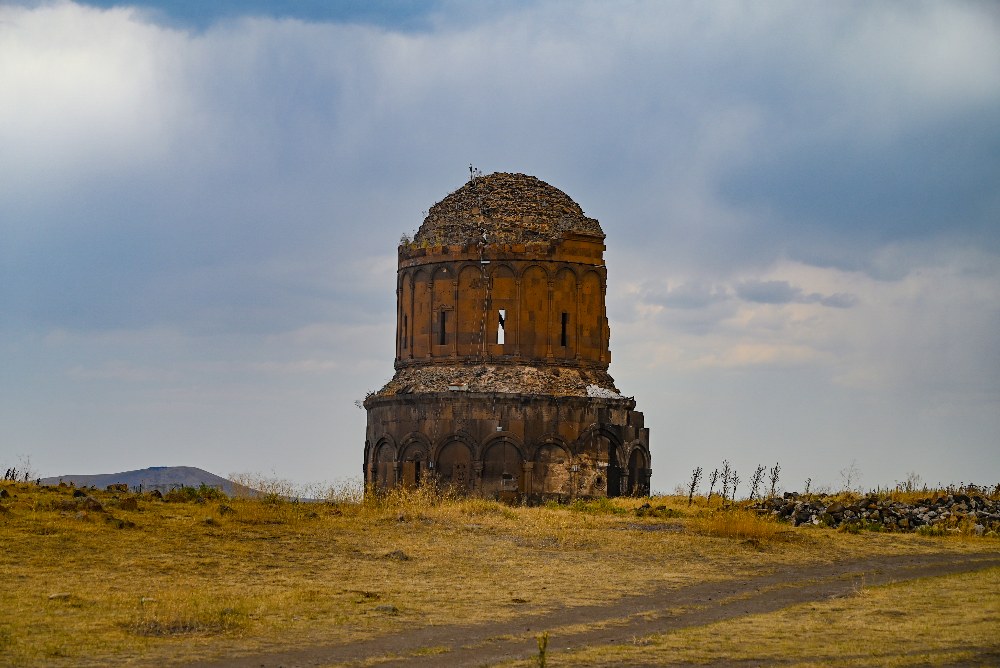
Church of the Holy Apostles, Ani (1004–1031)
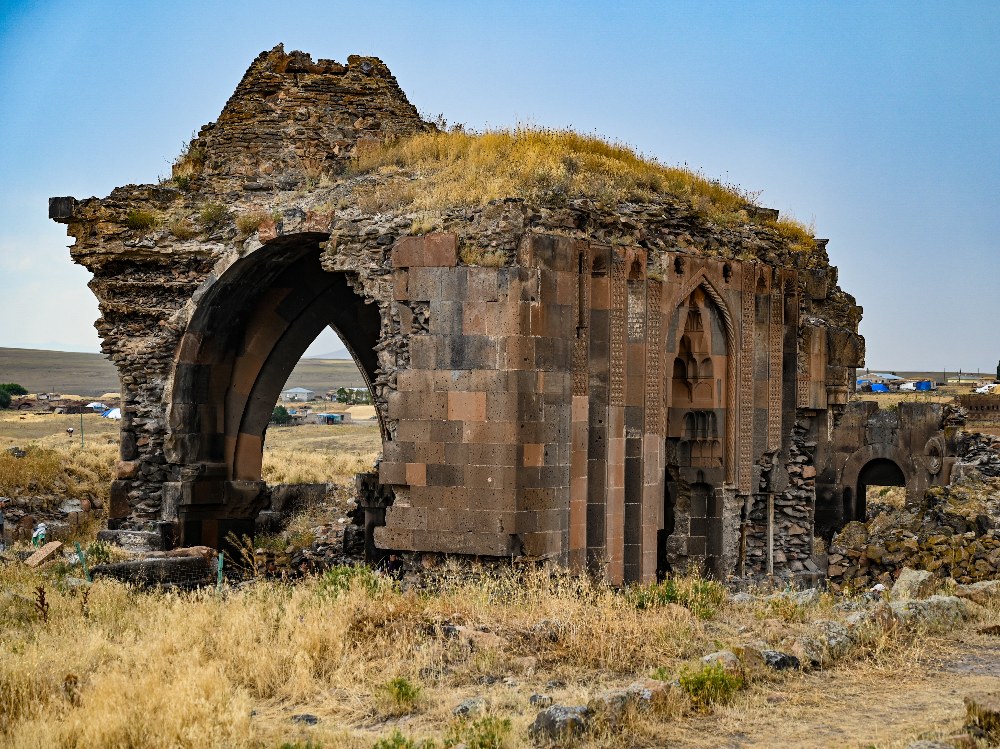
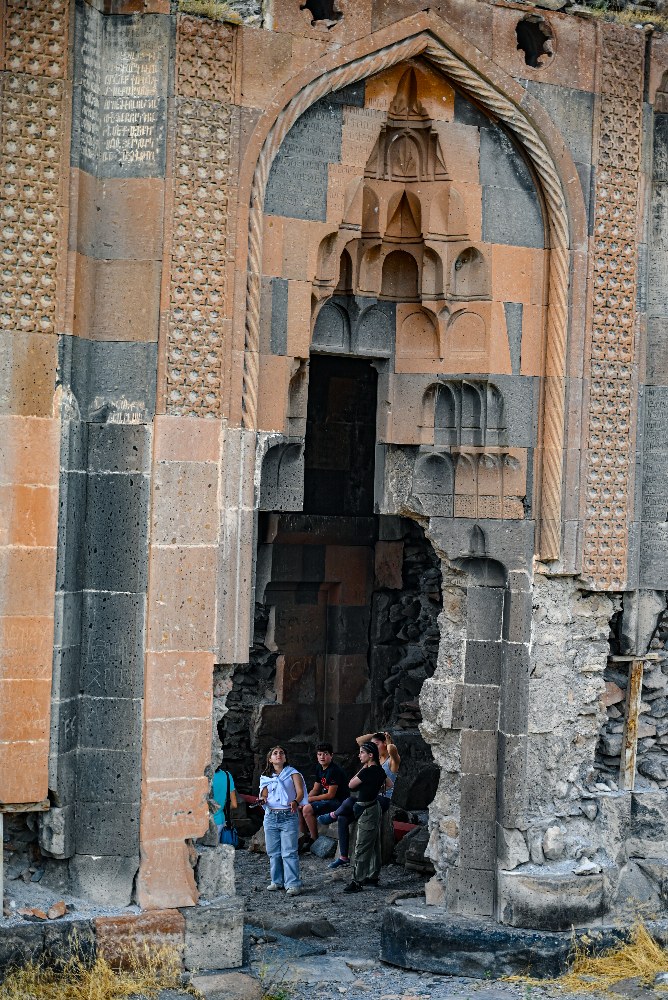
The Church of the Holy Apostles stands almost in the center of Ani’s new city, between the Ashotashen and Smbatashen walls. It has a central-domed, cross-shaped plan. Semicircular apses were built on the four sides of the square under the dome, with side chapels in the corners. According to Toramanyan, the church had 5 domes — the central one and one above each apse.
Under the Zakarids, a narthex (gavit) was added to the church, with a ceiling decorated with mosaic-like patterns made of tuff in many shades. The narthex is still the best-preserved part of the building and stands out for its decorative design.
The first day of the trip was very full, and we ended it in Bayazet. After an evening walk, we needed to rest, because the next day we were to begin our ascent of Mount Ararat.
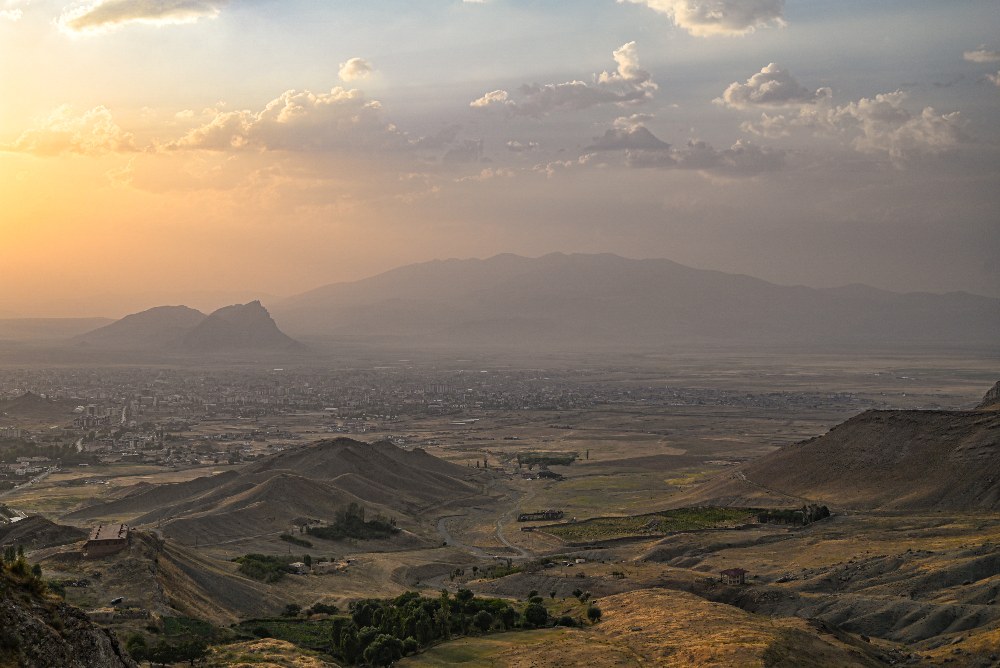
We continued the historical stops on the road to Ararat after our successful ascent, from 02.08.2025. That very day, without losing time, we went to the Ishak Pasha Palace.
Ishak Pasha Palace (17th–18th centuries)
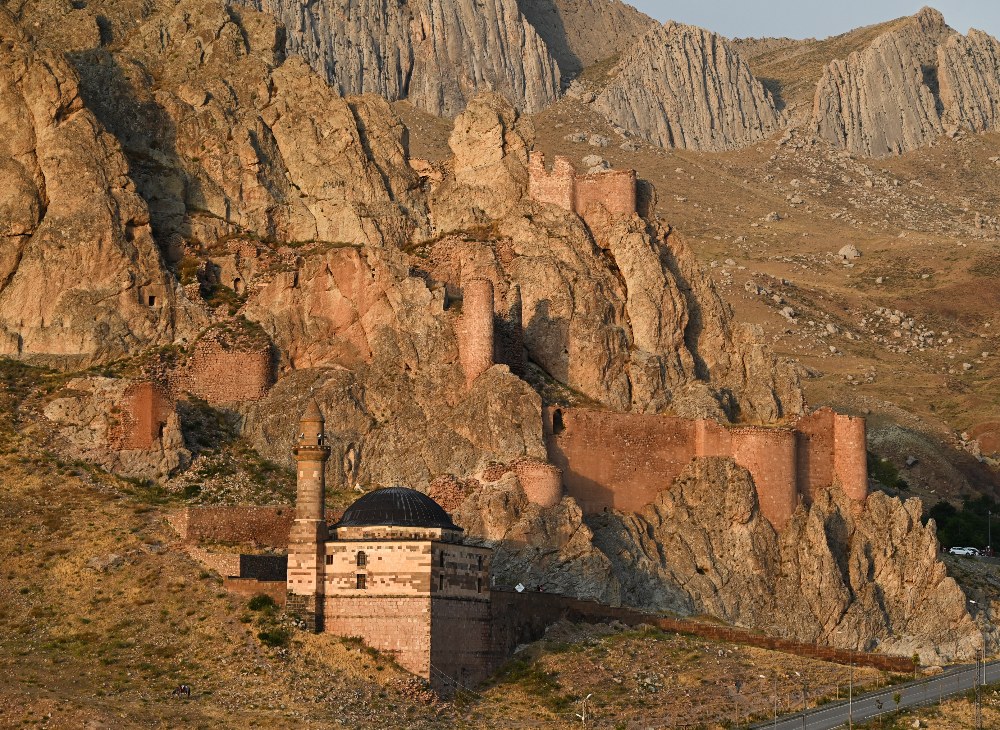
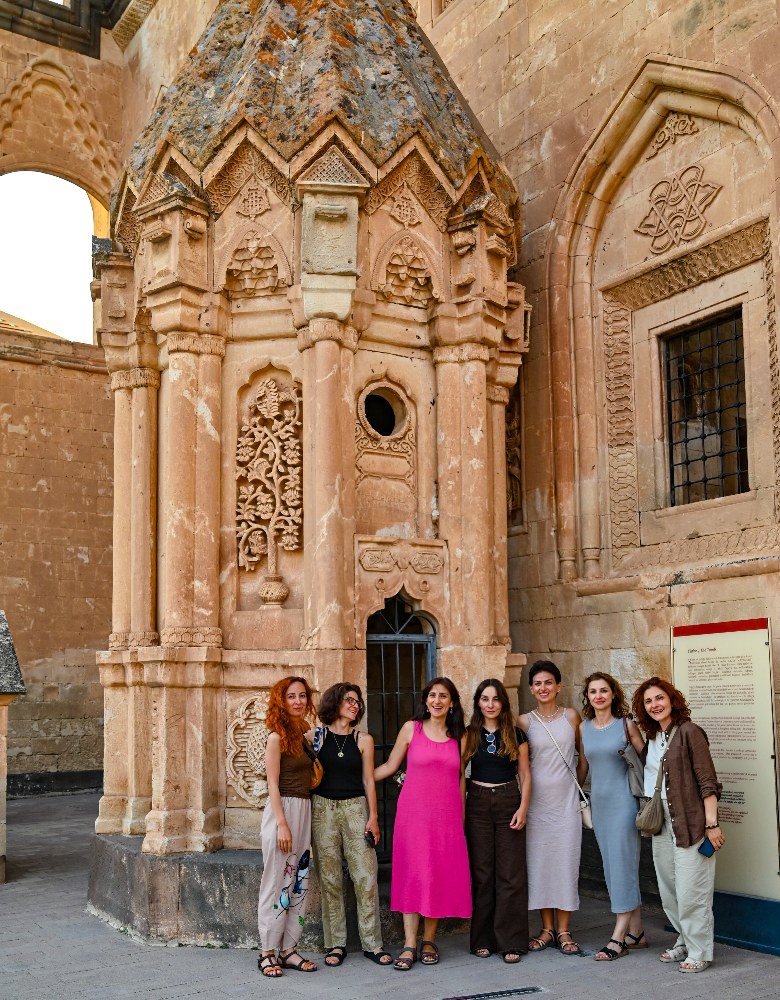
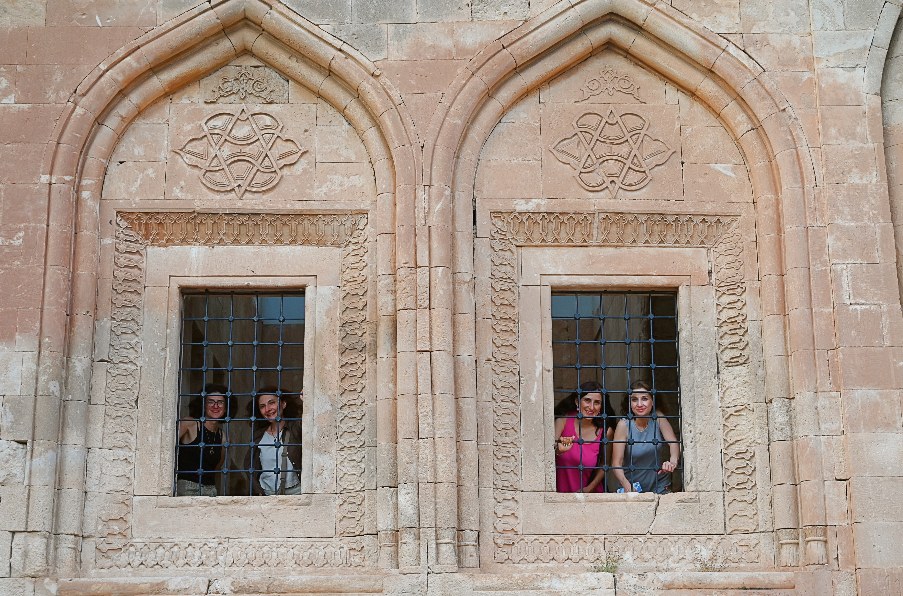
The Ishak Pasha Palace near the town of Bayazet was built in the 17th–18th centuries on the initiative of the Ottoman governor Ishak Pasha. It is a splendid example of Eastern architecture, combining Ottoman, Persian and Armenian traditions. The large complex includes palaces, a mosque, and military and service buildings. It stands on a high hill with a wide view over the Ararat region. From the palace, the ancient Armenian fortress of Daroynk, with a history of thousands of years, is clearly visible. Daroynk is mentioned as early as the Arsacid period as an important strategic fortress and defensive center. It controlled ancient roads and played a major role in defending the borders of Van and the Arsacid kingdom.
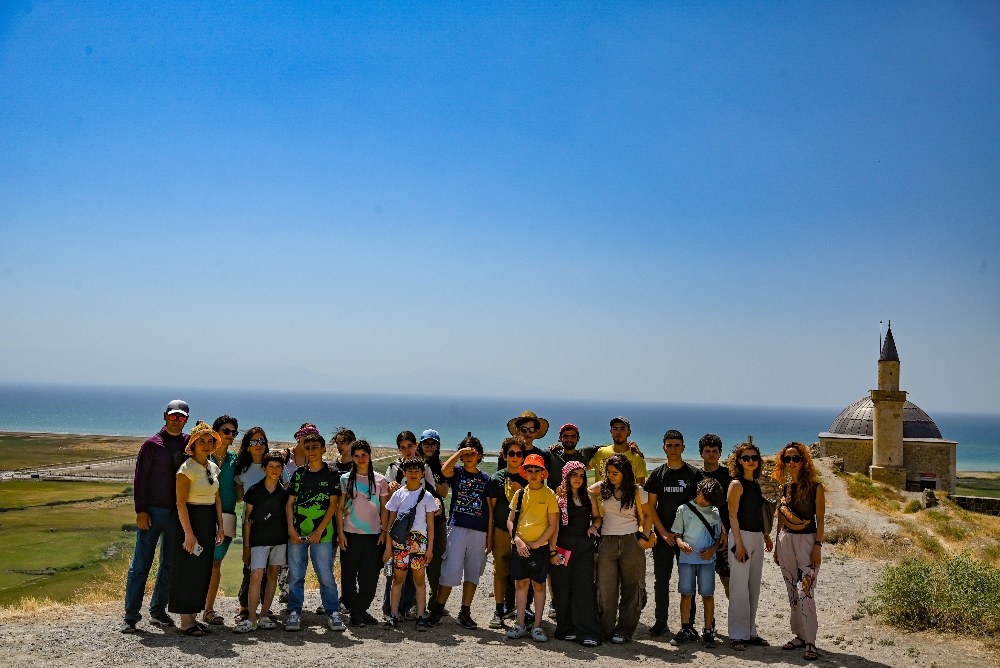
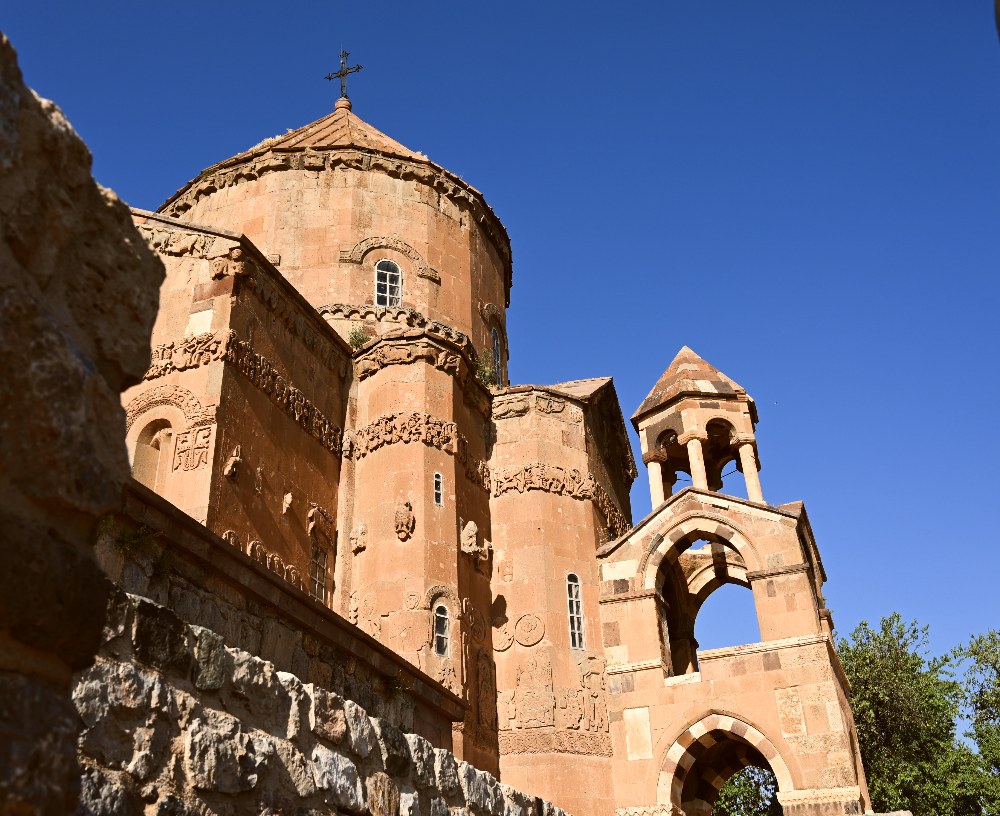
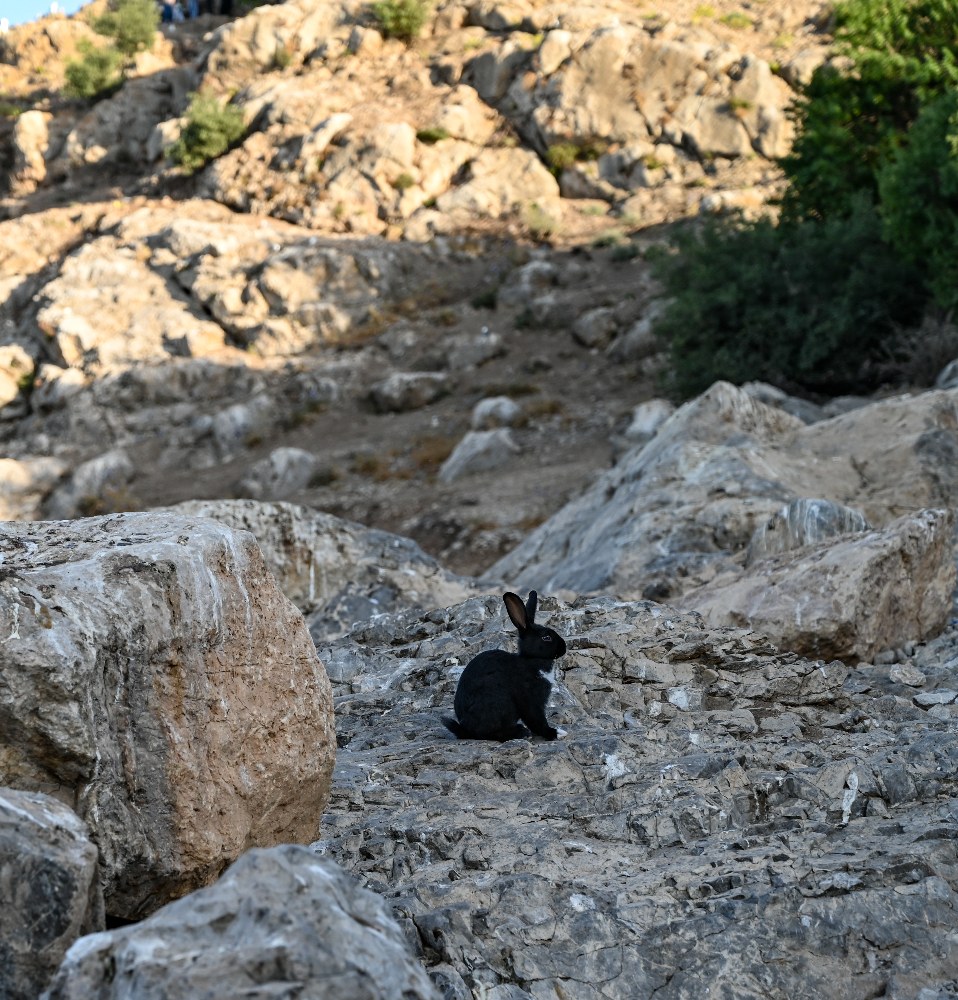
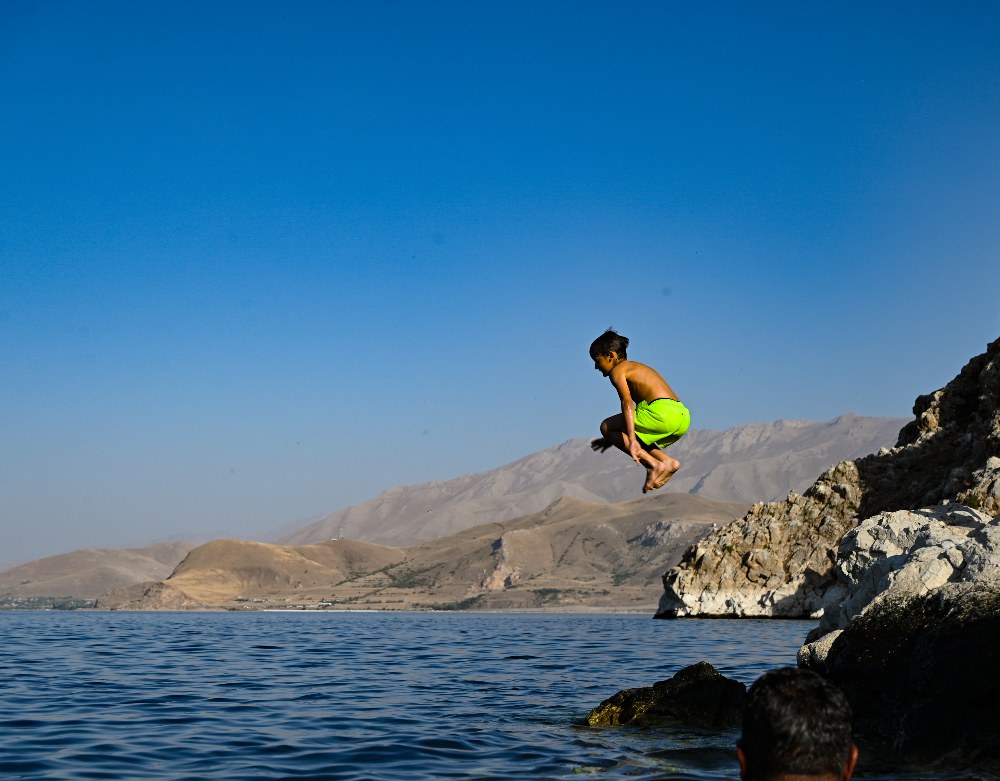
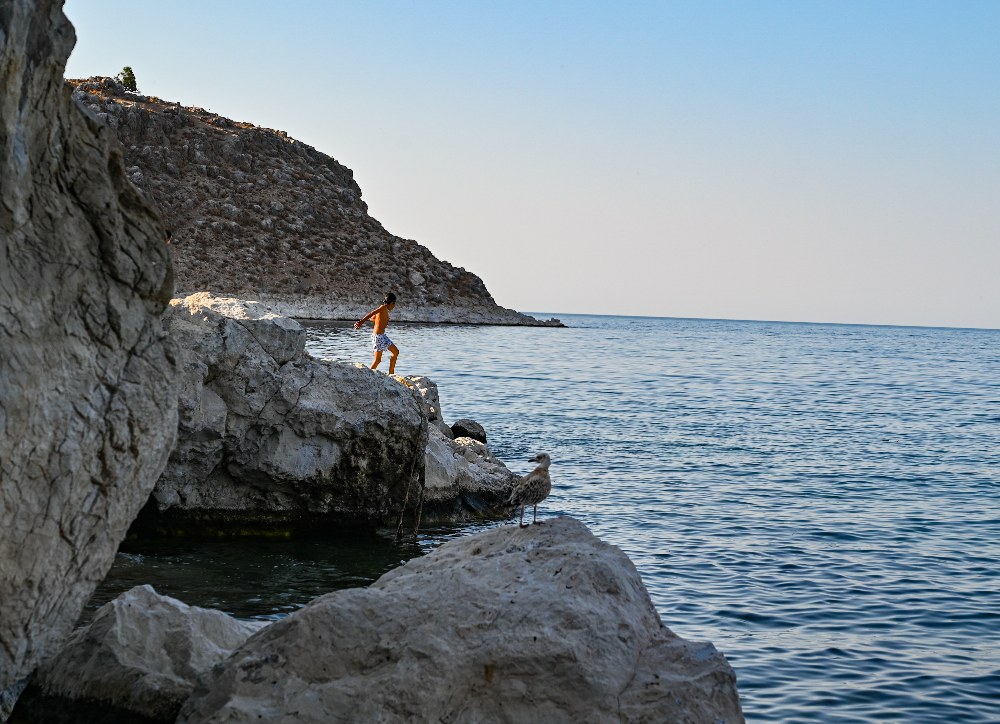
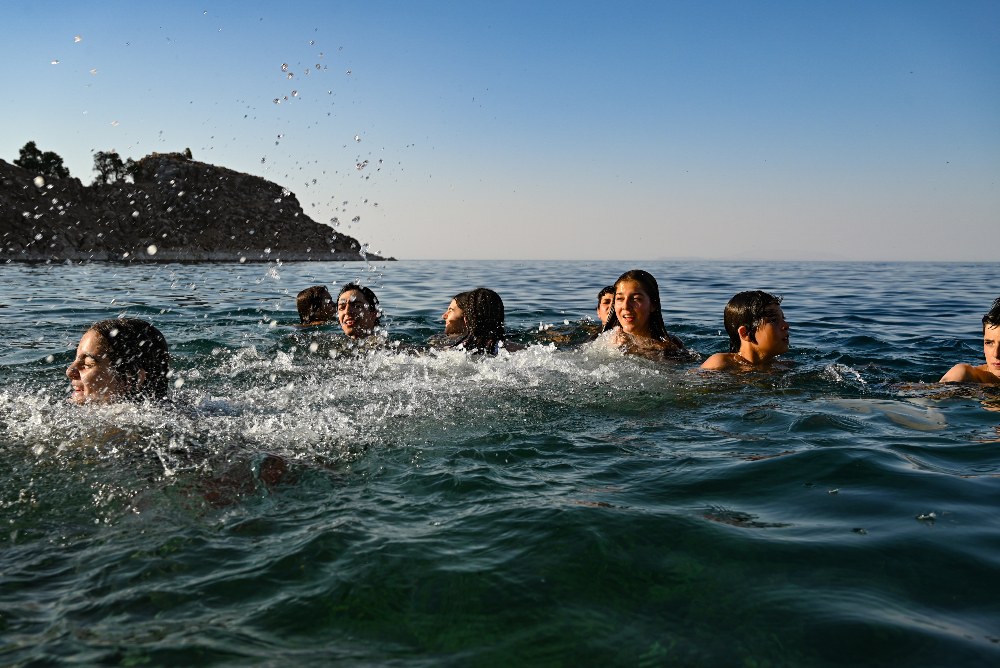
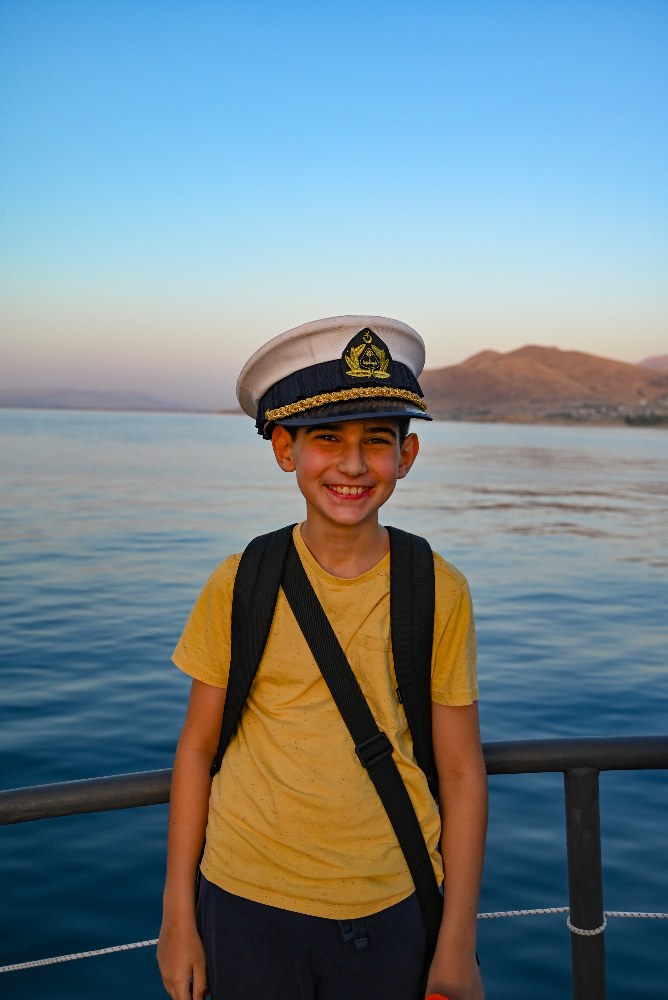
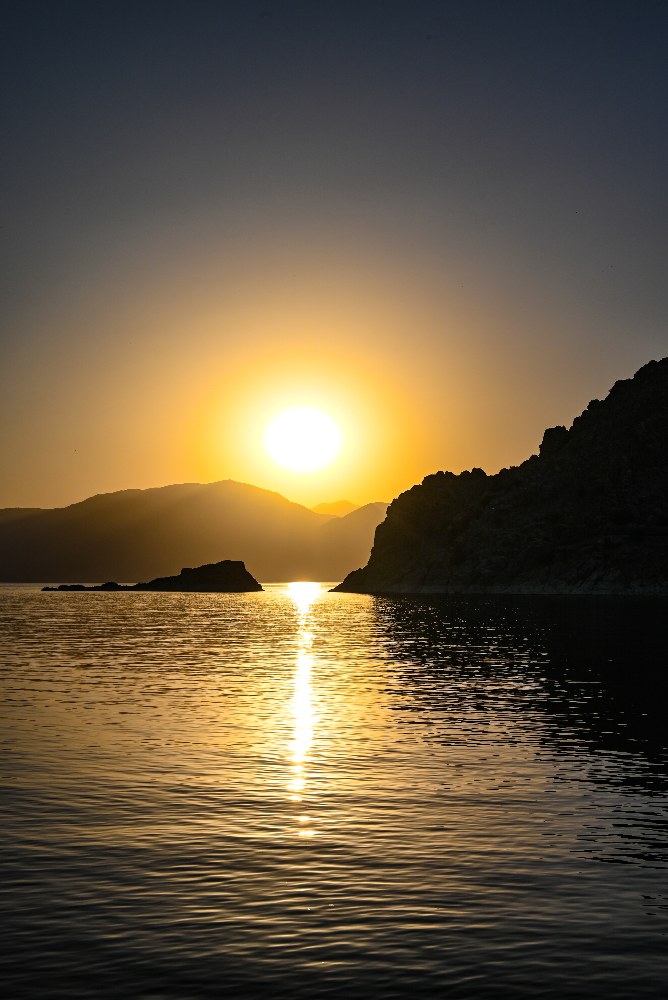
The next day, 03.08.2025, we had a very busy program, mostly connected with the city of Van. We had to cover long distances and visit many places. We planned to see the Berkri waterfall, the Van cats, the Fortress of Van and its Urartian inscriptions, visit Akhtamar Island, swim in Lake Van, taste Van tarekh fish and see Mher’s Door. We managed everything except Mher’s Door. The huge walls of the Fortress of Van reminded us of the might of Urartu, and the blue waters of Lake Van gave the children unforgettable moments. What stayed in our hearts most was Akhtamar Island. As our boat approached the Church of the Holy Cross, time seemed to stand still. The children saw not only the church’s unique carvings and frescoes, but also living nature: the island’s rabbits and slow-moving turtles seemed to have come out especially to greet them. And then… we swam in the clear waters of Lake Van. The children’s laughter and the splashing of water reached all the way to the summit of Mount Artos rising before us. We could write a whole page about the beautiful sunset with which Lake Van said goodbye to us, but instead we invite you to look at the photos. After the impressive sunset, Van’s famous and delicious tarekh was waiting for us.
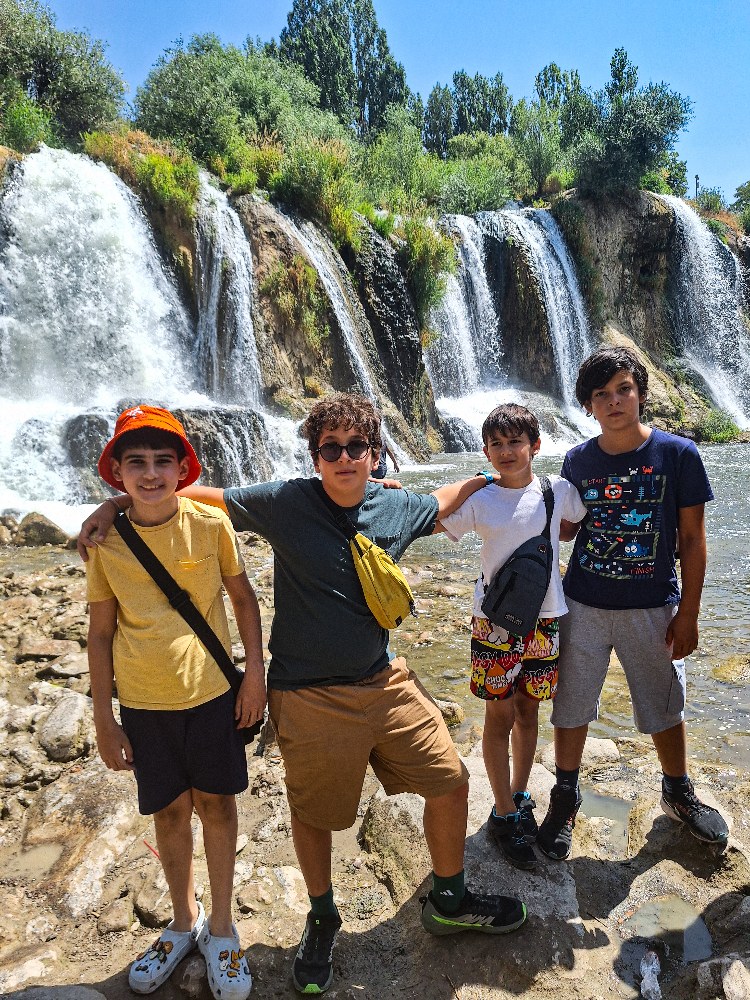
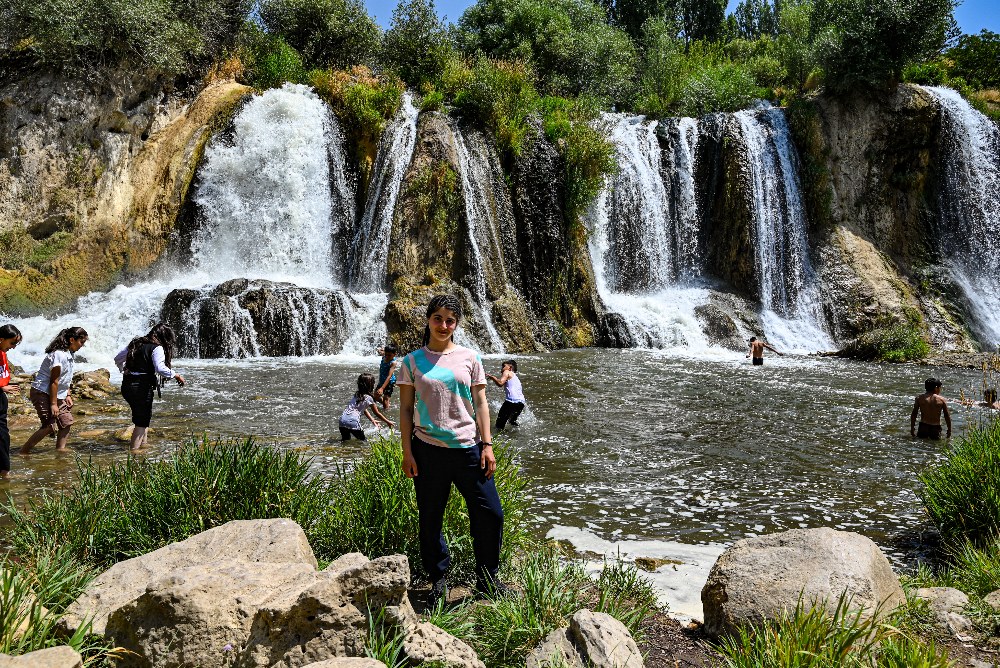
Berkri Waterfall
The Berkri waterfall is about 15 meters high. It is on the Berkri River, which rises near Tondrak, flows parallel to the mountains of Vaspurakan for 65 km and empties into Lake Van. The waterfall is 90 km from the city of Van.
The Van Cat
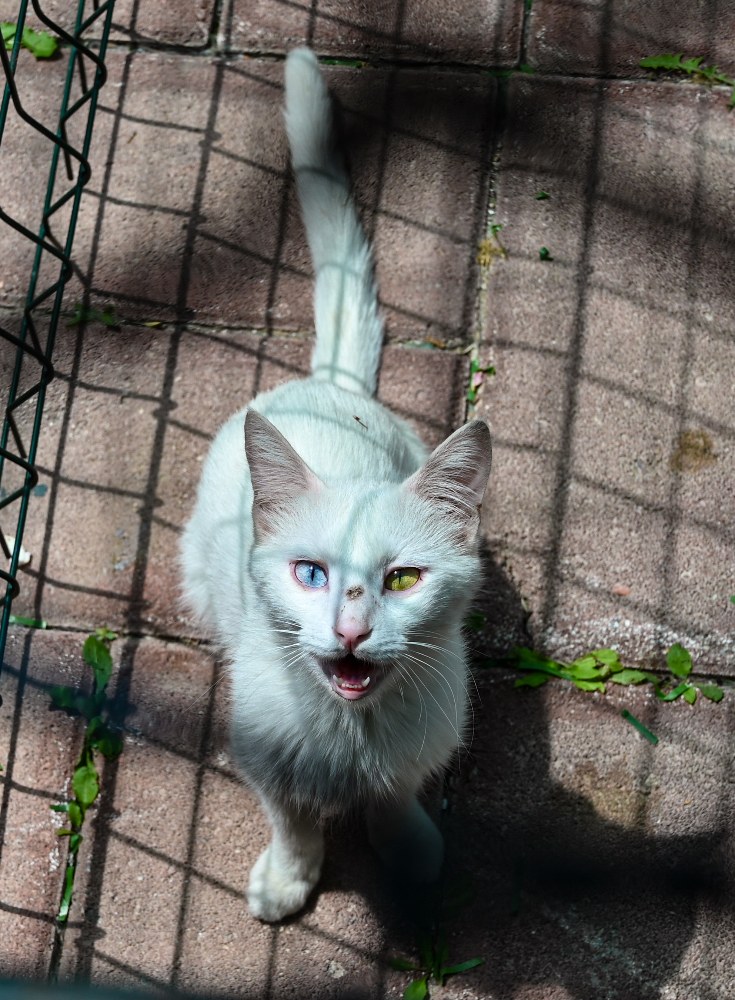
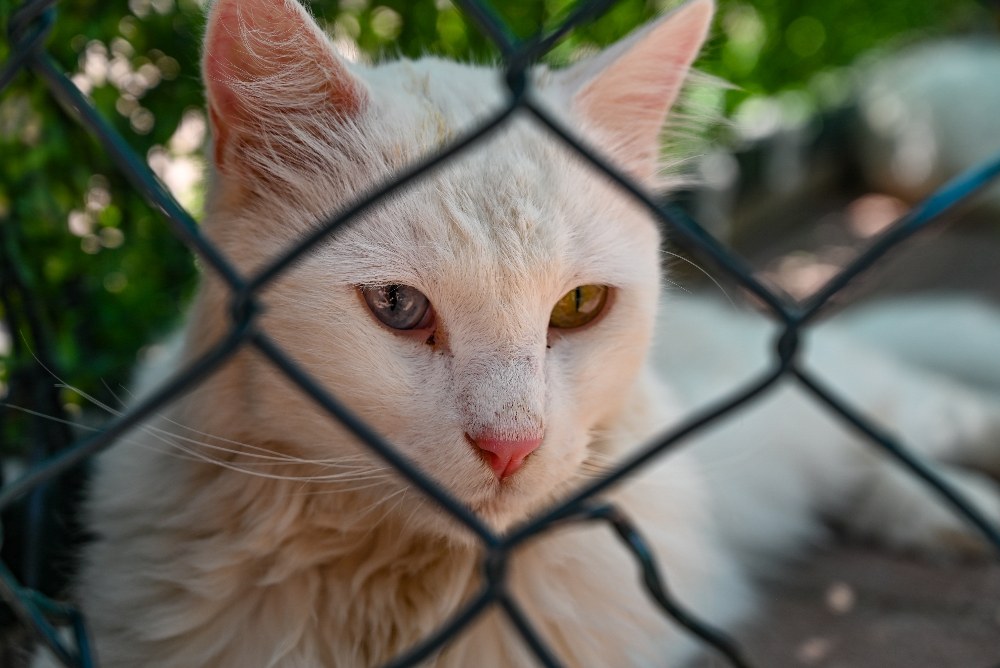
The Van cat is a semi-longhaired breed of domestic cat that originates from the shores around Lake Van in the Armenian Highlands. It is found in historical Armenia, in today’s Republic of Turkey, and in other countries.
Official recognition of the breed: in July–August 1955, two British journalists, Laura Lushington and Sonia Halliday, visited Turkey to prepare an article. Laura Lushington loved cats, and one day she noticed cats with brightly colored fur and an unusually striking appearance. When she asked a hotel employee about them, she was told they were Van cats. Since Laura was so interested, she was given two Van kittens as a gift, and she took them home with her to London. In 1959, Laura Lushington brought two more Van kittens from Turkey. Ten years later, she had enough Van cats born from four different pairs of ancestors — the requirement of the cat fanciers’ organization for recognizing a new breed — which she achieved with the support of the Turkish authorities, who expressed their joy that “the Turkish Van cat will be recognized in Europe”. Only after that, in 1969, did the GCCF (Governing Council of the Cat Fancy) register the breed as the “Turkish Cat”, and in 1971 FIFe recognized it as the “Turkish Van”. In the following years, the breed was recognized by other international cat fanciers’ organizations.
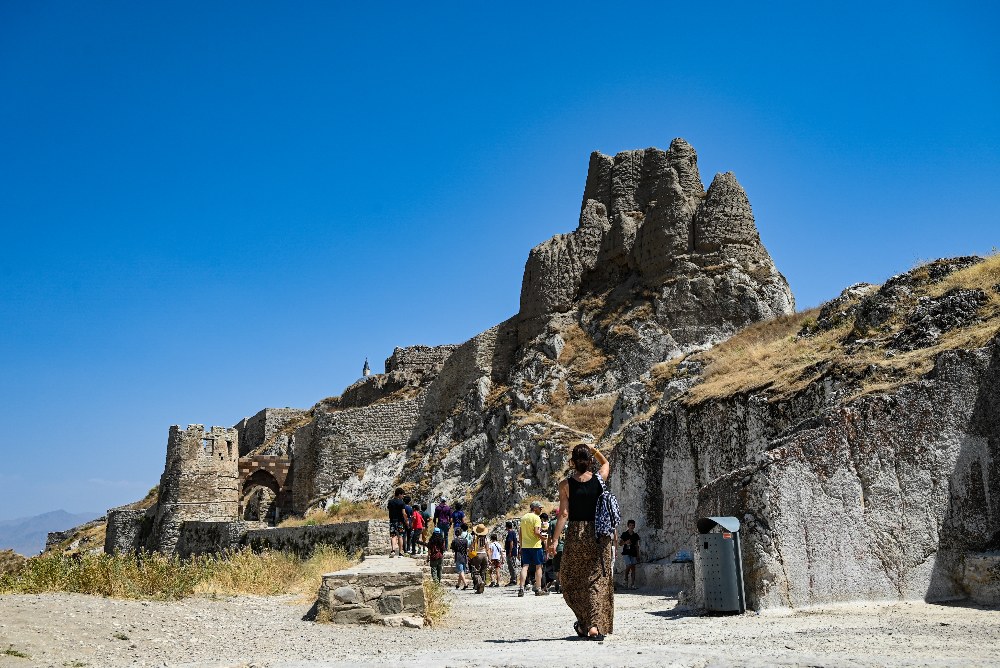
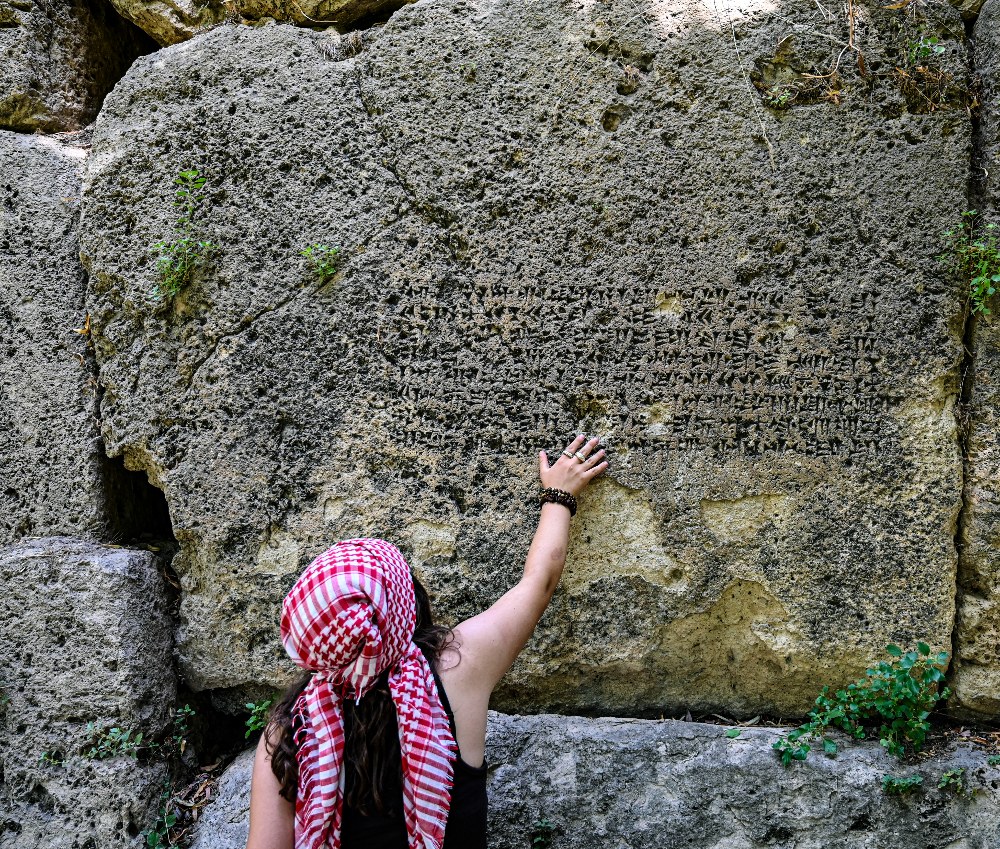
Urartian Fortress of Van (Tushpa, 9th century BC)
The Fortress of Van (Tushpa) was built in the 9th century BC under the Urartian King Sarduri I. It rises on a rocky hill in the heart of the city of Van and was the center of Urartu’s capital. The fortress had powerful walls, royal palaces and sanctuaries. Cuneiform inscriptions have survived that tell of the deeds of the Urartian kings. The Fortress of Van is an exceptional example of military and urban architecture of the first millennium BC.
Church of the Holy Cross, Akhtamar (915–921)
The Church of the Holy Cross on Akhtamar is a masterpiece of the Vaspurakan school of architecture. It was built in 915–921, commissioned by King Gagik Artsruni and designed by the architect Manuel. The church is central-domed with a cross-shaped plan and is a distinctive example of the Hripsime type. Its exterior relief carvings are especially valuable: biblical and secular scenes, animals, hunting and royal images. On the western wall, Gagik Artsruni is shown offering a model of the church to Christ — a unique donor composition. The Holy Cross of Akhtamar was not only a spiritual center, but also an exceptional legacy of medieval Armenian art.
Lake Van
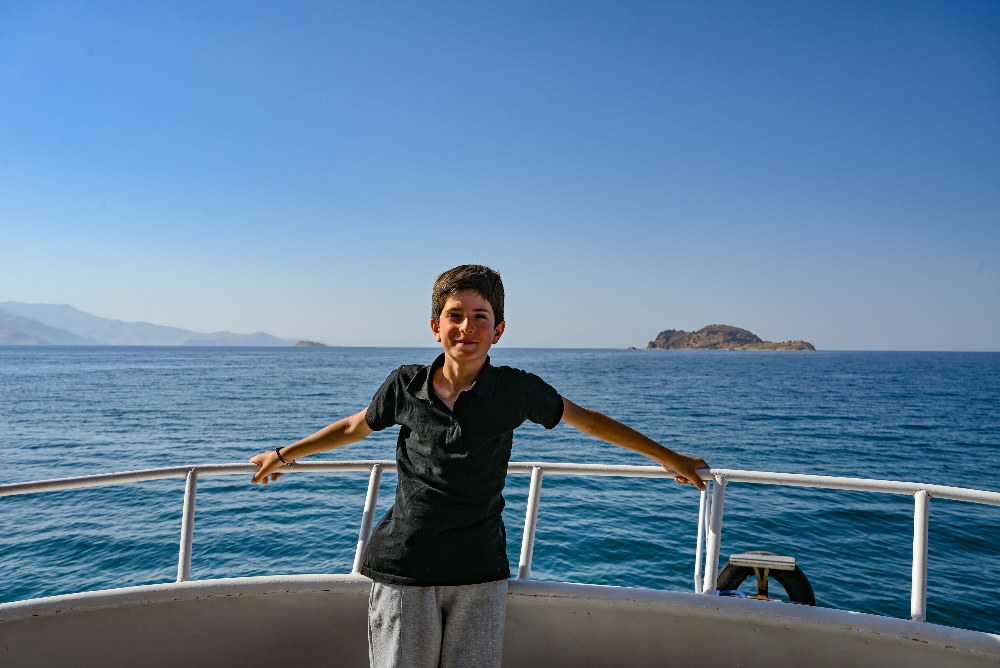
Lake Van is an endorheic salt lake in the Armenian Highlands, in the historical provinces of Turuberan and Vaspurakan of Greater Armenia, in today’s eastern Turkey, at an altitude of 1,720 m. Its surface area is 3,760 km², its maximum width about 51 km and its depth up to 451 m. It is almost 2.5 times larger than Lake Sevan. It once had 7 islands; today 4 remain — Lim, Ktuts, Arter and Akhtamar. Lake Van is the largest lake in Turkey and the second largest in the Middle East (after Lake Urmia).
Van Tarekh
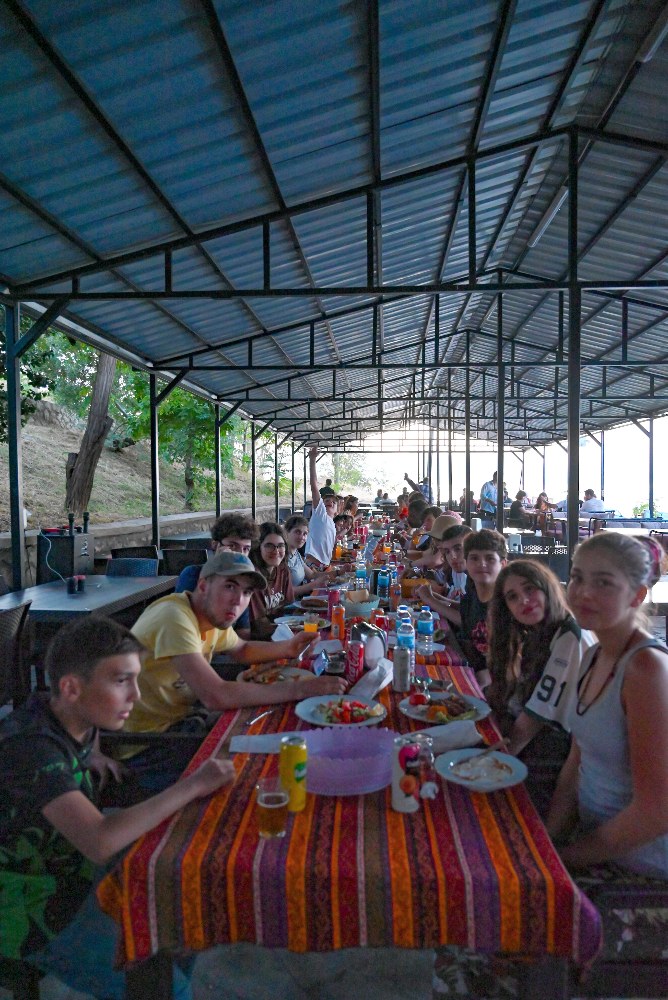
We ended this busy day with a delicious dinner on the shore of Lake Van. The long-awaited dish was Van tarekh, a fish found only in Lake Van.
04.08.2025. Of course, on our way back to Armenia we could not pass by the Bagratid capital without stopping. Here we visited the Fortress of Kars and the Church of the Holy Apostles.
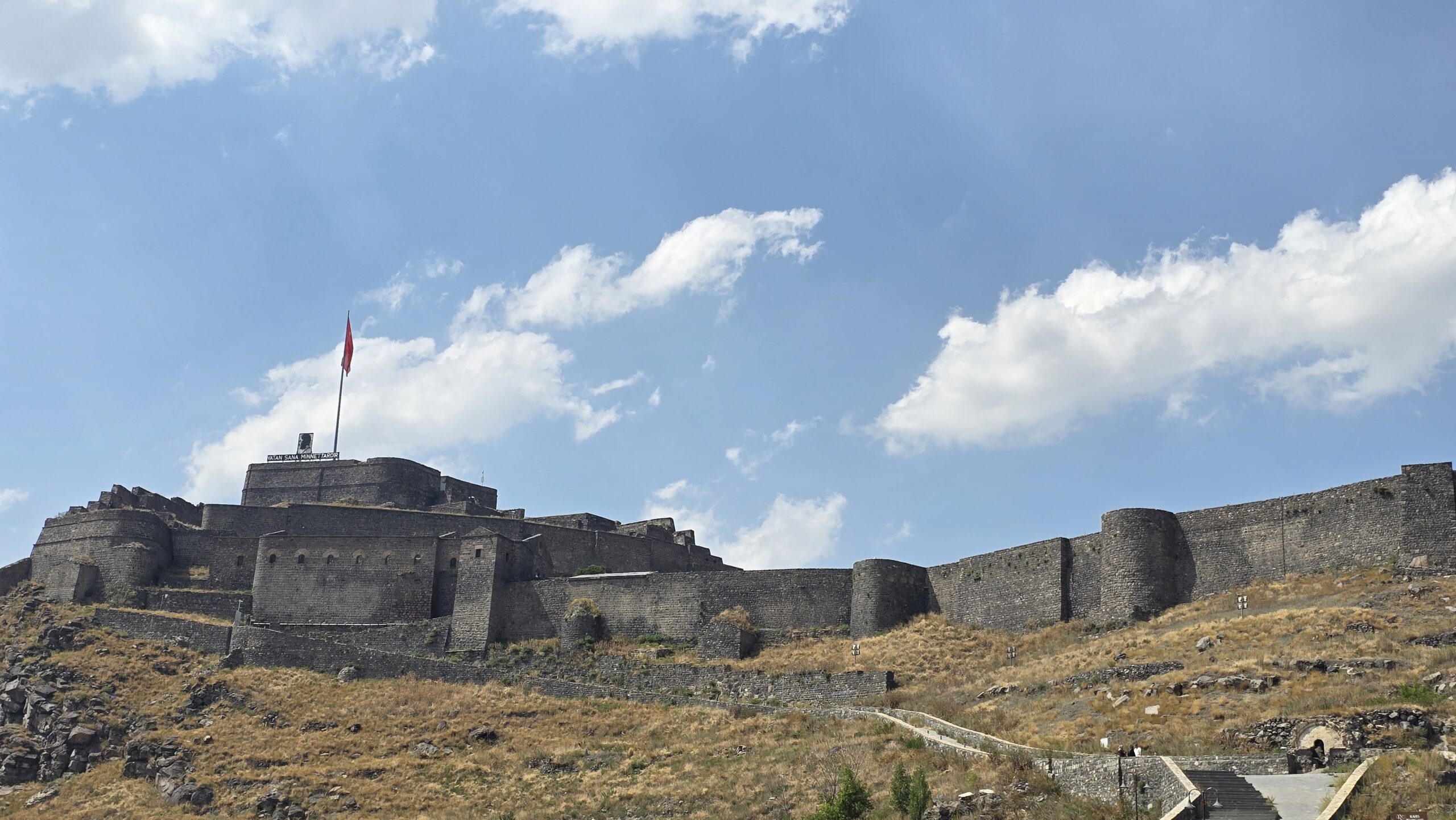
Citadel of Kars
Kars is an ancient city in the north of the Armenian Highlands which, thanks to its strategic location, was an important political and military center for centuries. It was a typical medieval city made up of a citadel, a shahastan (inner city) and suburbs. In the 10th century, the Bagratid King Abas declared it the capital (928), and the Citadel of Kars was built and strengthened here. The fortress was built mainly of basalt, with high walls, towers and royal buildings inside. For centuries it was an impregnable stronghold and the defensive base of the capital. The Citadel of Kars is one of the symbols of Armenian statehood, linked to the glory of the Bagratid kingdom and the history of its capital, Kars. Although in later centuries the fortress was rebuilt by the Seljuks, Ottomans and Russians, its foundation preserves the Armenian medieval layer, and the history of Kars remains inseparable from Armenian history.
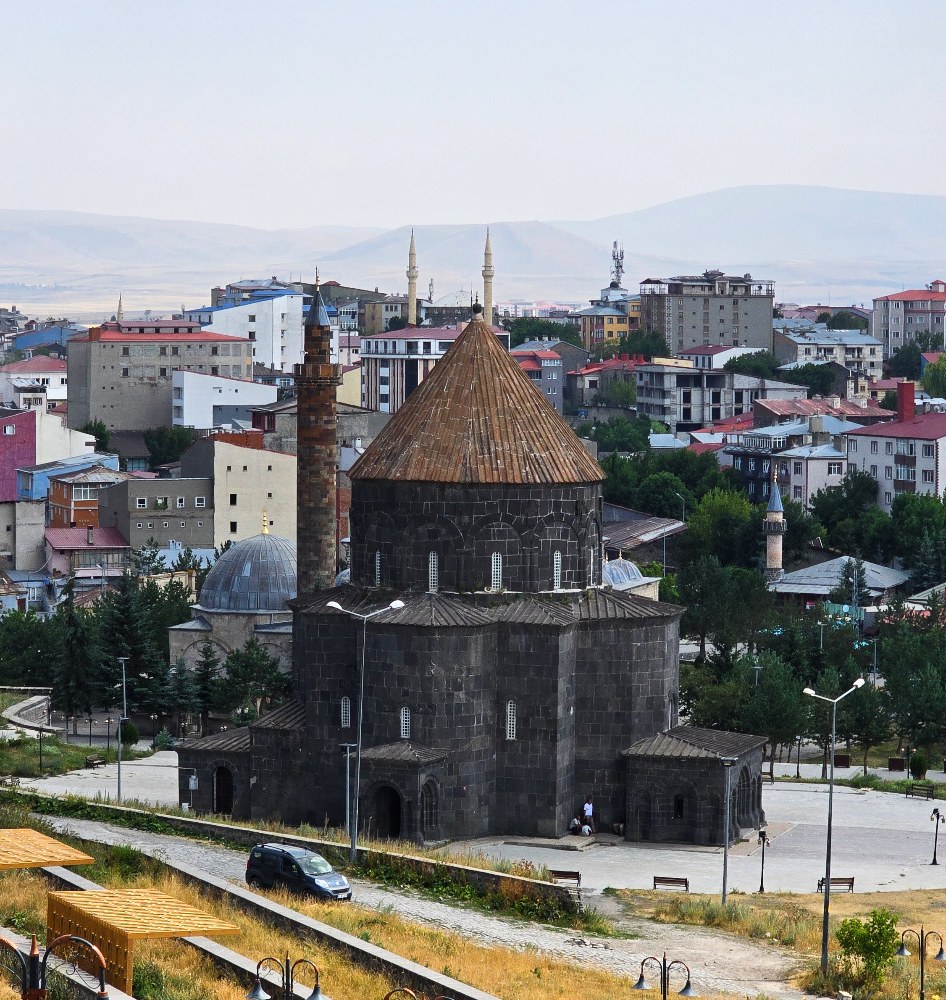
Church of the Holy Apostles, Kars (10th century)
The Church of the Holy Apostles in Kars was built under King Abas I Bagratuni, around 931. In its plan and volume it belongs to the early medieval Mastara type of churches. It stands out for its massive dome, which rests on the four walls of the prayer hall; squinches in the upper corners make the transition to the circular base of the drum. The drum is decorated with reliefs of the 12 Apostles.
Under Ottoman rule the church was turned into a mosque, then during the Russian period it served for about 40 years as an Orthodox church, then briefly, during the First Republic, as an Armenian Apostolic church, and after that again as a mosque.
The trip was not only an ascent of Ararat — it was an encounter with history, culture and nature. And most importantly, the children learned to see the strength and beauty of their homeland, made deeper and more vivid by the stories and explanations of Norayr Abgaryan.
Would you like to join us?
We regularly organize hikes and camps for children. See what is coming up and join us.
Upcoming hikes and camps →