Secrets of Magellan’s Cave
Visiting Magellan’s Cave was a completely different kind of adventure for all of us; it wasn’t mountain climbing, nor was it a long trek through open fields, forests, or canyons. This time, instead of climbing up a mountain, we dove deep inside the rock to discover the secret world of the cave.
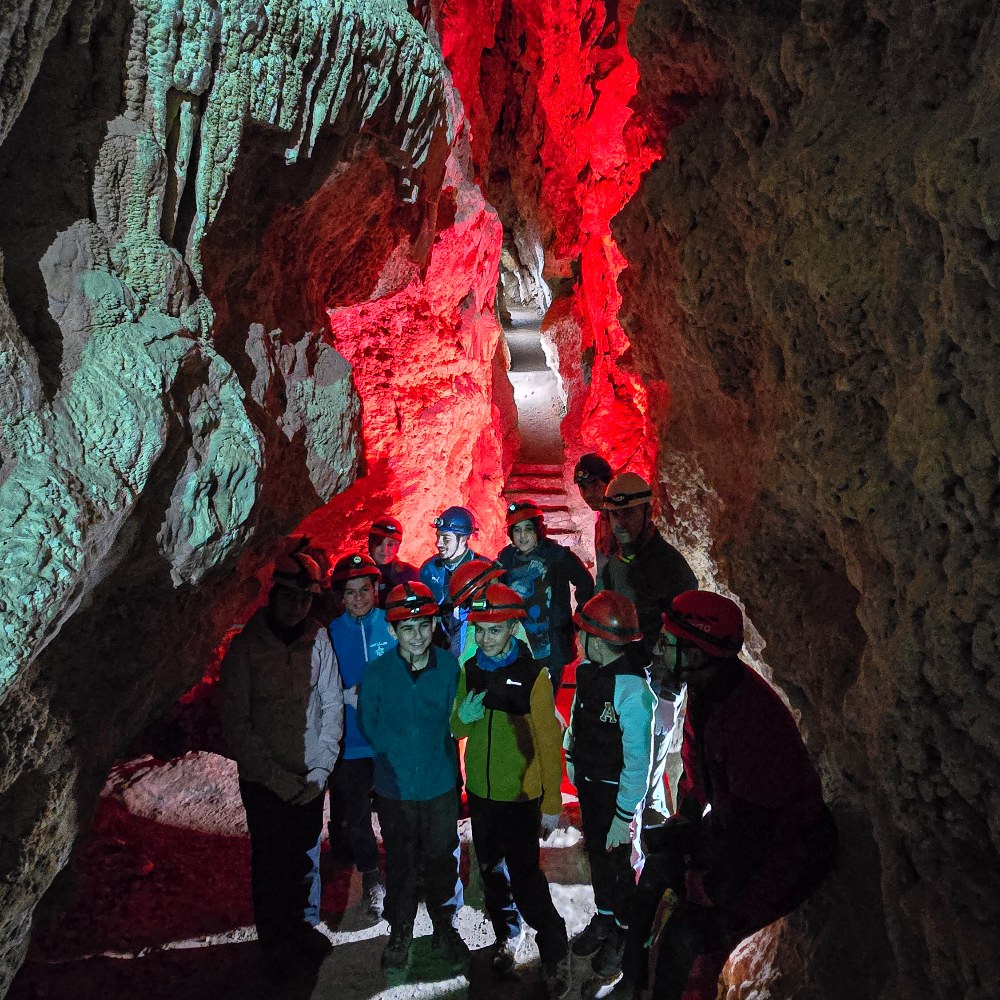
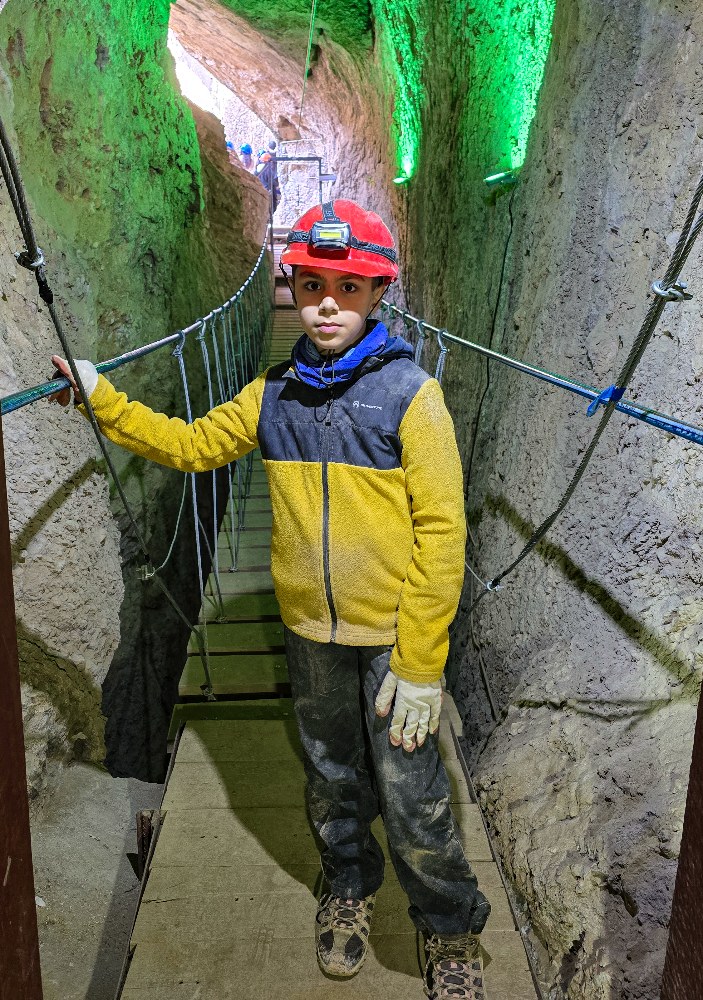
First, we passed through the tourist section of the cave, which is well-lit and accessible to everyone. It is also very beautiful, but we were eagerly waiting to reach the “wild” section—the narrow passages where groups rarely venture.
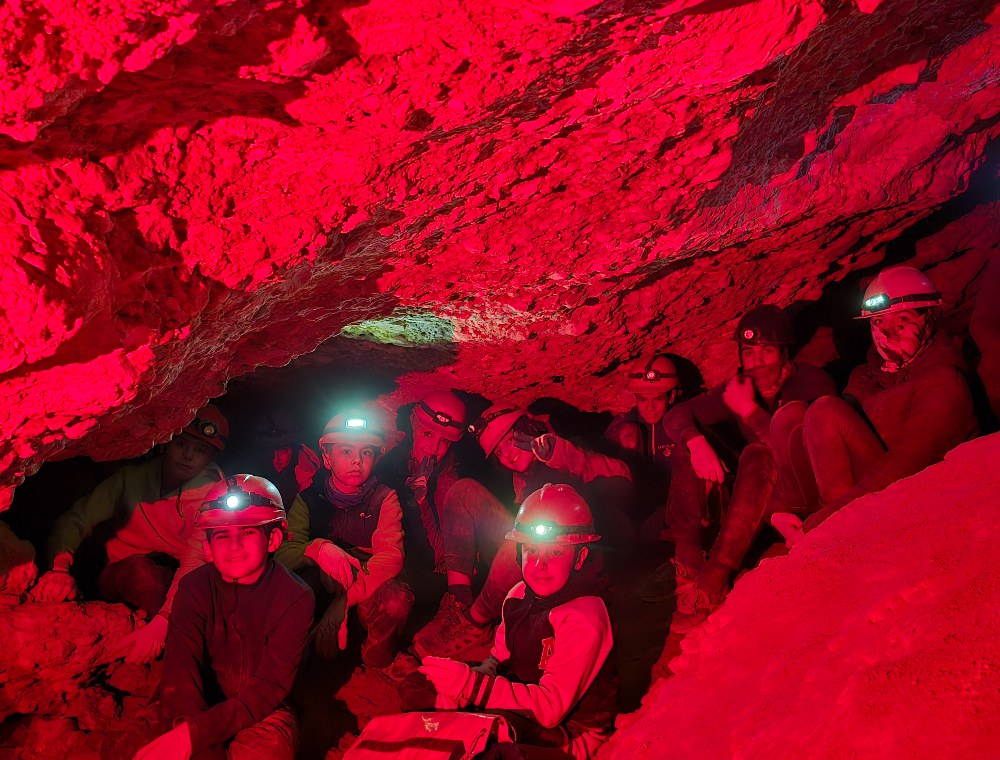
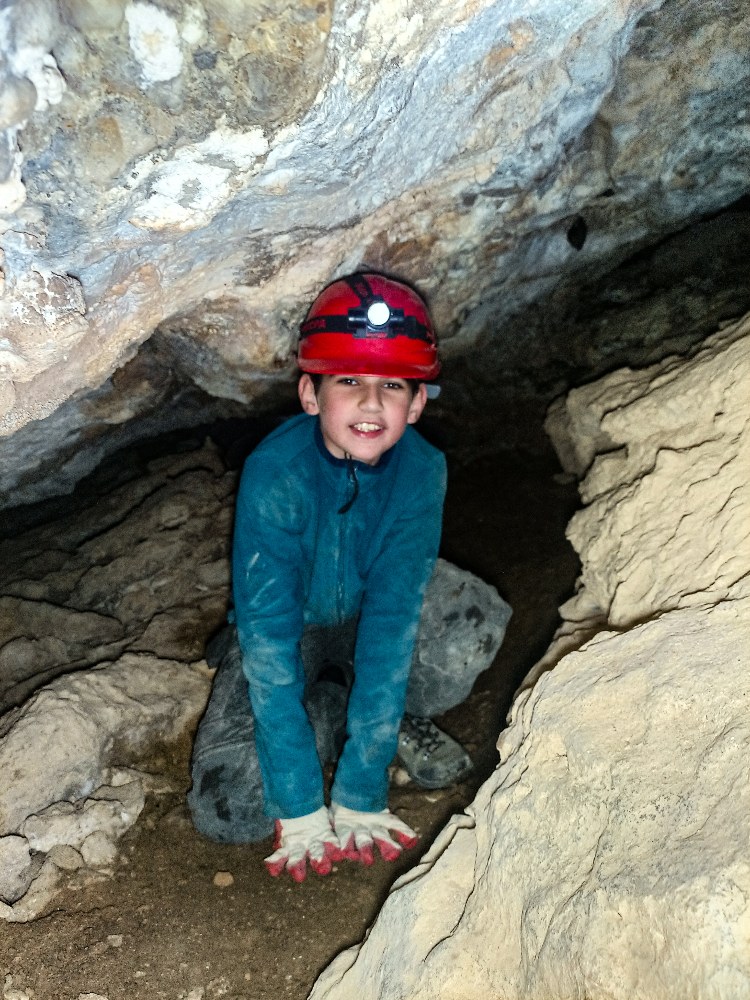
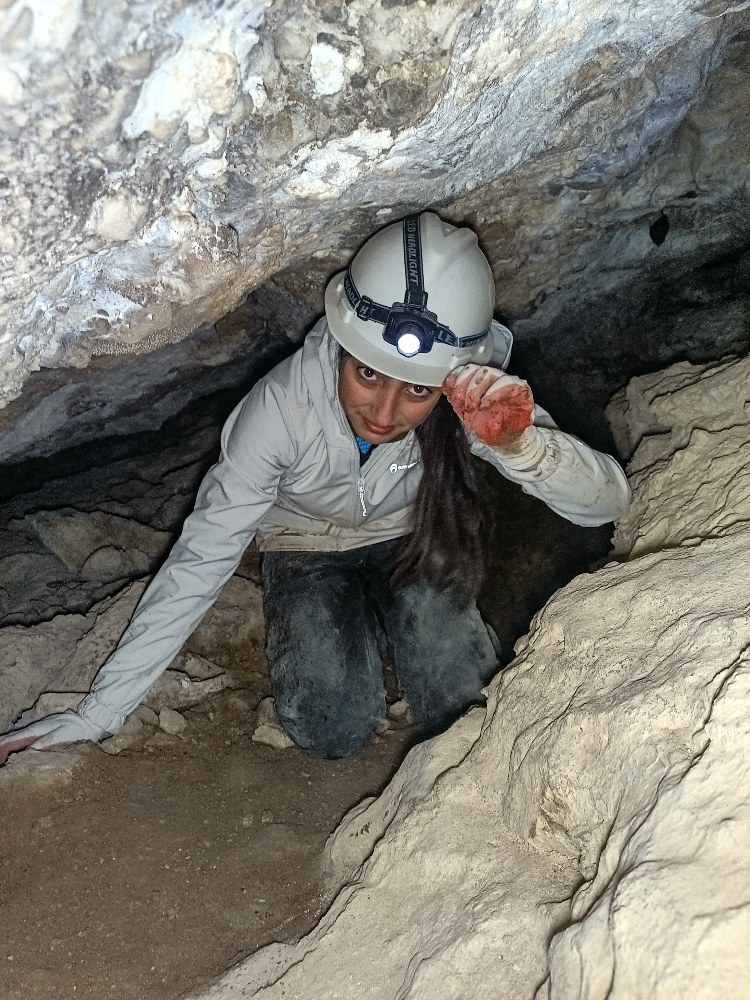
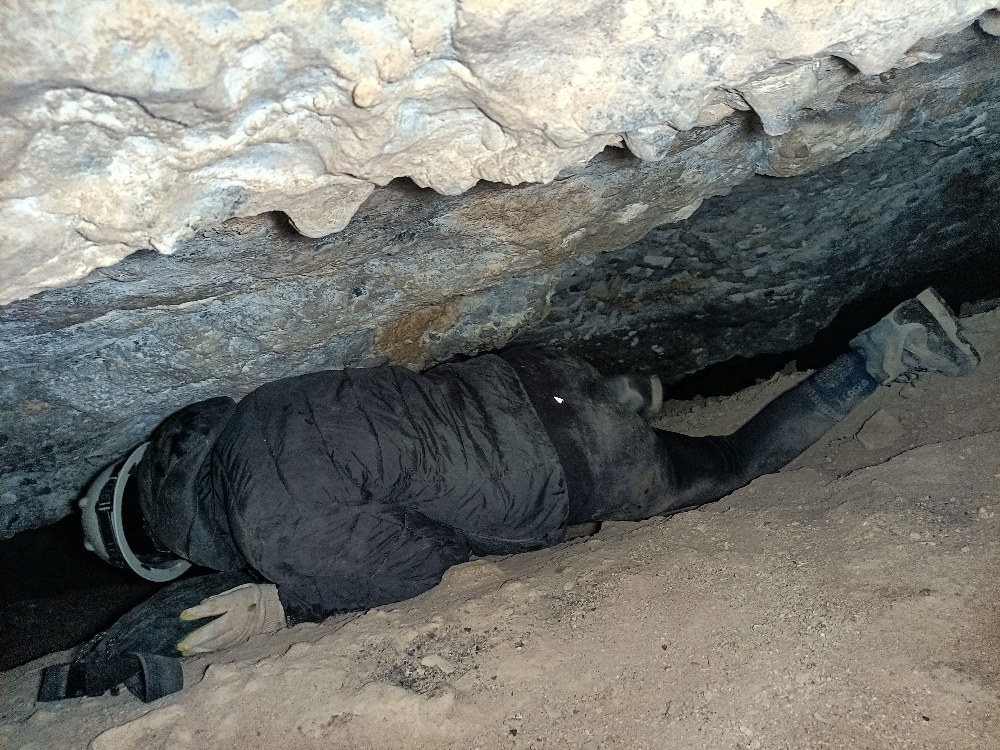
We reached a point that looked like a dead end, but lo and behold, we had to lie flat on the ground and continue through a narrow entrance under a low ceiling. This is where we started crawling. It’s a good thing we were prepared; otherwise, there’s a high risk of repeatedly hitting your head against the rock.
The children learned how to move in a different environment—through narrow passages, low ceilings, and dark corridors. It was also important to keep quiet here, which we didn’t quite manage to do—after all, we were so excited!
The cave maintains a constant temperature of 7–8°C. In addition to stalactites, we also encountered stone formations growing in the opposite direction: stalagmites. Halfway through, the guide instructed us to turn off our flashlights and maintain stone-cold silence. The impression was powerful; our eyes were open, but it felt as if they were completely closed, and the silence was so unusual it was almost frightening.
We learned how caves are formed, why it is necessary to preserve them, and the unique characteristics of such underground ecosystems.
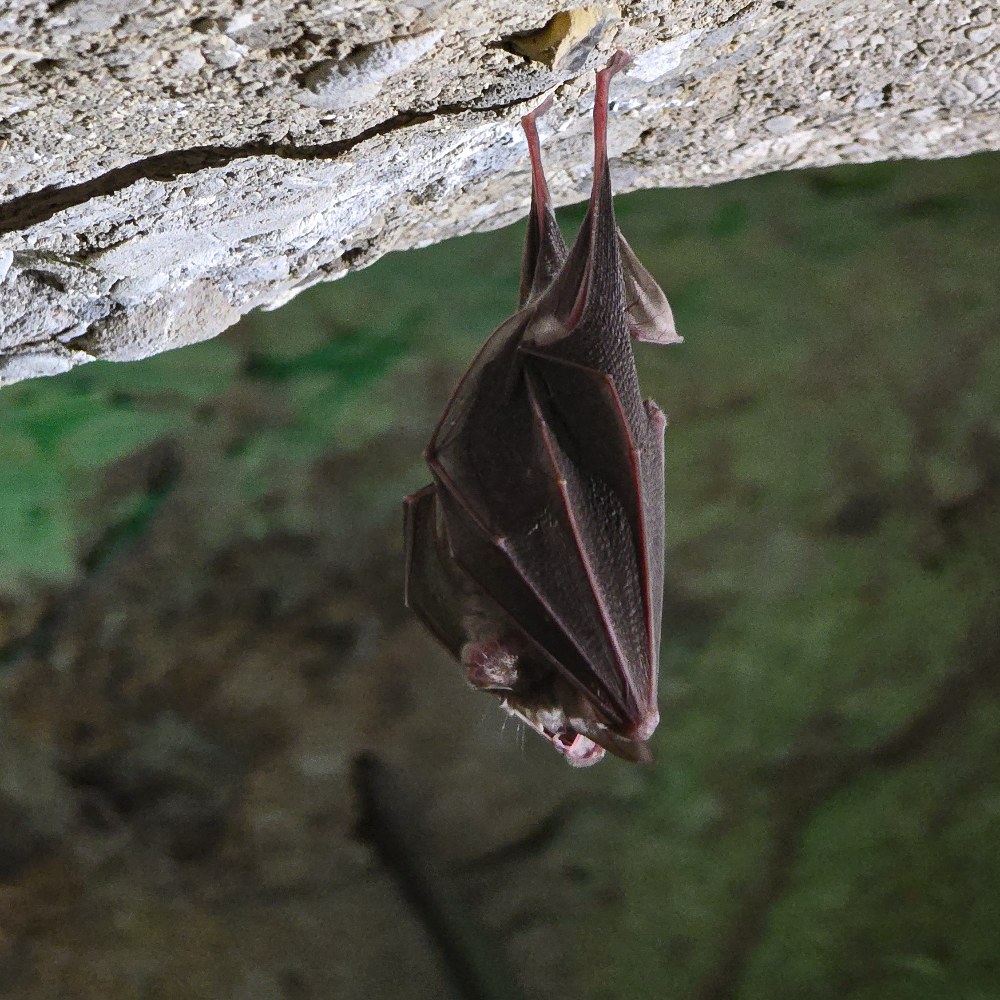
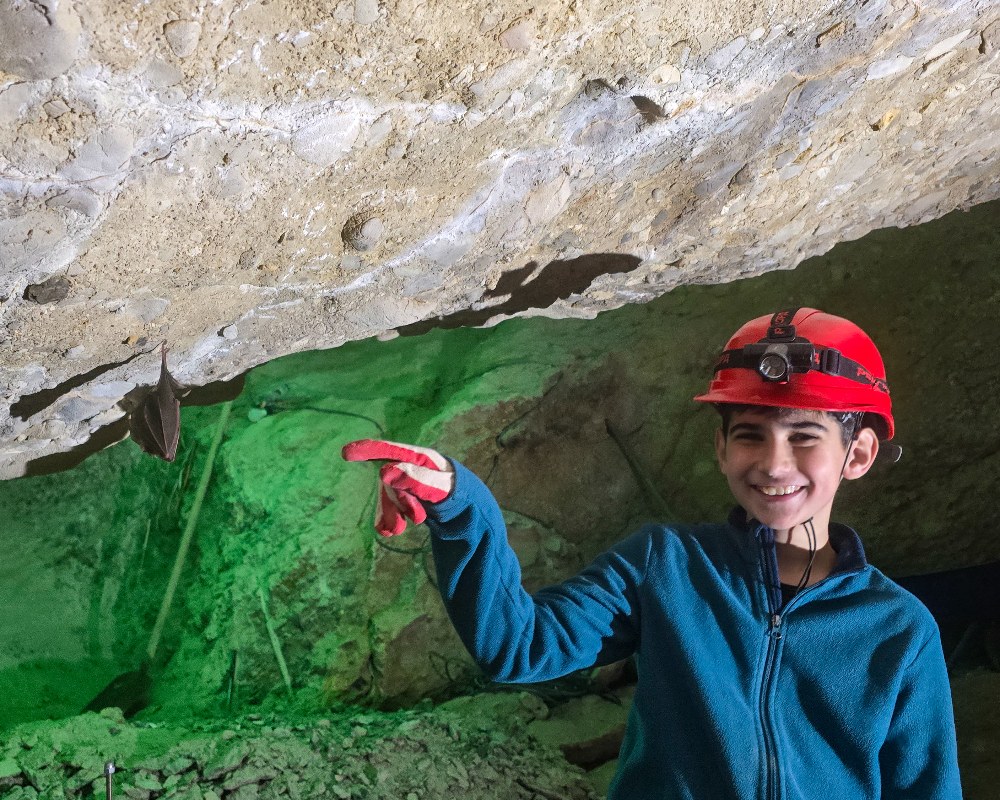
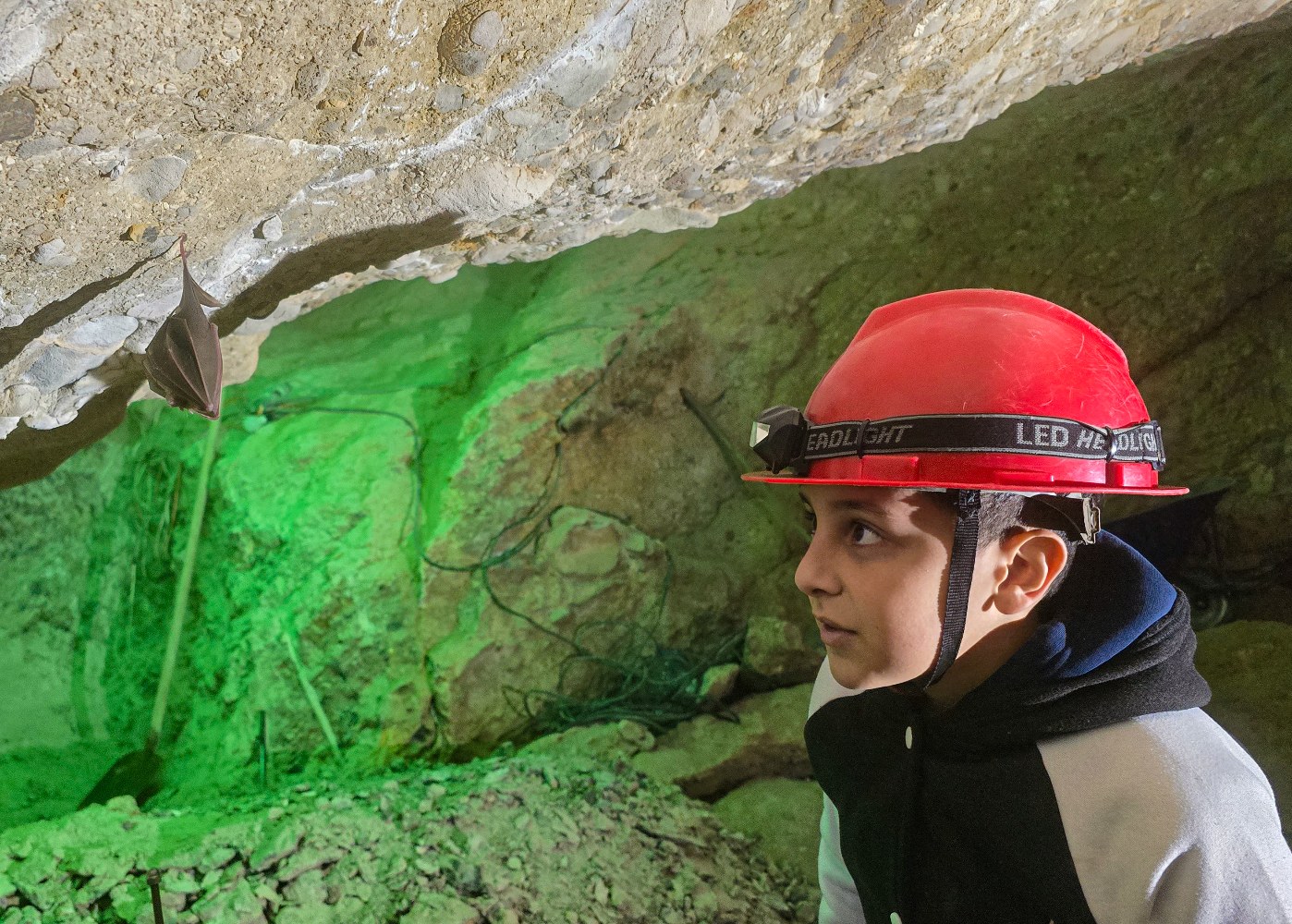
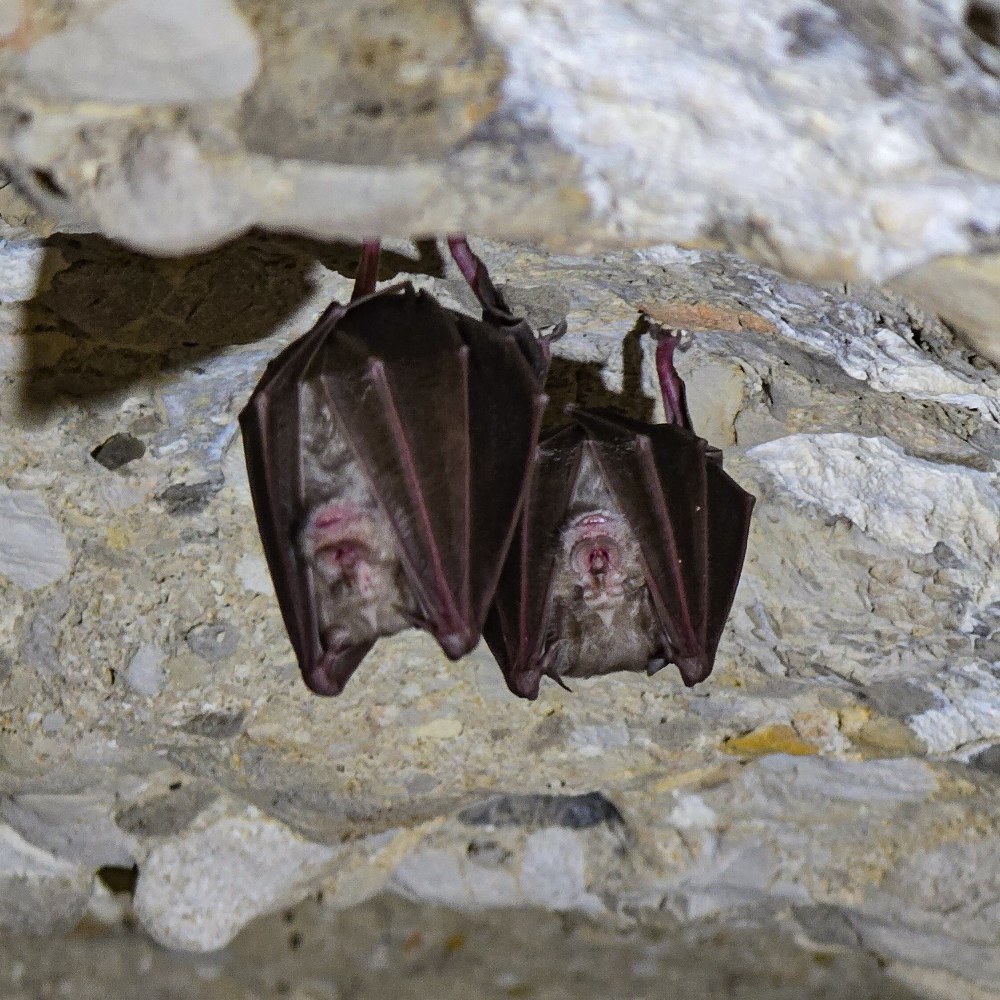
Let’s not forget the bats we encountered periodically along the way. But deep inside the cave, another surprise awaited us: in one corner, we noticed a small colony of bats sleeping peacefully on the ceiling. For the children, this was a true wonder, as they usually only see such animals in books or pictures.
Since their rest was important and there was a risk we might accidentally touch them while passing through the narrow section, we decided not to go through that part. The children understood how respect for nature sometimes means taking a step back and choosing a different path. The cave is not just a world of stone passages and darkness, but also a home to many animals, each of which has its own place and role in the ecosystem.